
Video Platform Introduces Automated Detection System for AI-Generated Content
The digital content landscape is rapidly evolving, and I believe the introduction of automated AI content detection represents a crucial turning point for online video platforms. As artificial intelligence tools become increasingly sophisticated, the ability to distinguish between human-created and machine-generated content has become not just useful, but essential for maintaining trust in digital media.
A major video-sharing platform has announced significant changes to how it identifies and labels AI-generated videos. This development comes as AI video creation tools have dramatically improved in quality, making it increasingly difficult for viewers to distinguish between authentic and artificially generated content. In my opinion, this shift couldn’t have come at a more critical time.
From Voluntary Disclosure to Automated Detection
Previously, the platform relied primarily on creators to voluntarily disclose their use of AI tools when uploading content. This honor system was, frankly, destined to fail. Content creators had little incentive to be transparent about their AI usage, and the existing labels were buried in expanded video descriptions where most viewers would never see them.
The new system represents a fundamental change in approach. Starting this month, the platform will employ what they call “internal signals” to automatically flag content that demonstrates “significant photorealistic AI use.” While the company remains deliberately vague about the specific detection methods, they’ve confirmed that certain triggers will result in permanent AI labels, including metadata from content authentication standards and watermarks from specific AI video generation tools.

Enhanced Visibility and User Experience
What I find most significant about this update is the emphasis on visibility. The new AI labels will appear prominently below standard videos and as overlay text on short-form content. This is a massive improvement over the previous system, where labels were essentially hidden from casual viewers.
The label design itself appears thoughtfully crafted – a simple ellipse containing “AI” and an information symbol. This approach strikes the right balance between being informative without being overly intrusive to the viewing experience.
Who Benefits and Who Doesn’t
This development is particularly valuable for several groups. News consumers and educators will benefit enormously from clearer content identification, as will parents monitoring what their children watch online. Content creators who use traditional production methods may also find this helpful for distinguishing their work from AI-generated alternatives.
However, I suspect AI content creators might view this as a mixed blessing. While transparency is generally positive, some may worry that prominent AI labels could reduce engagement or viewership. Additionally, creators working in animation or using minimal AI assistance may find the current system doesn’t adequately represent their production methods.

Industry Implications and Future Considerations
From my perspective, this move signals a broader industry recognition that AI content identification isn’t just a nice-to-have feature – it’s becoming a necessity. As AI video generation tools continue improving, the window for implementing effective detection systems is narrowing rapidly.
The platform’s approach of focusing on “photorealistic and meaningfully AI altered” content seems pragmatic. Trying to label every piece of content with any AI involvement would likely overwhelm viewers and dilute the impact of the labeling system.
I believe this initiative will likely influence other platforms to adopt similar measures. The challenge moving forward will be maintaining detection accuracy as AI tools become more sophisticated. The arms race between AI generation and AI detection is just beginning, and platforms will need to continuously evolve their systems to stay ahead.
For viewers, this represents a significant step toward media literacy in the AI age. However, the ultimate success of these measures will depend on user education and the platform’s ability to maintain detection accuracy as technology advances.
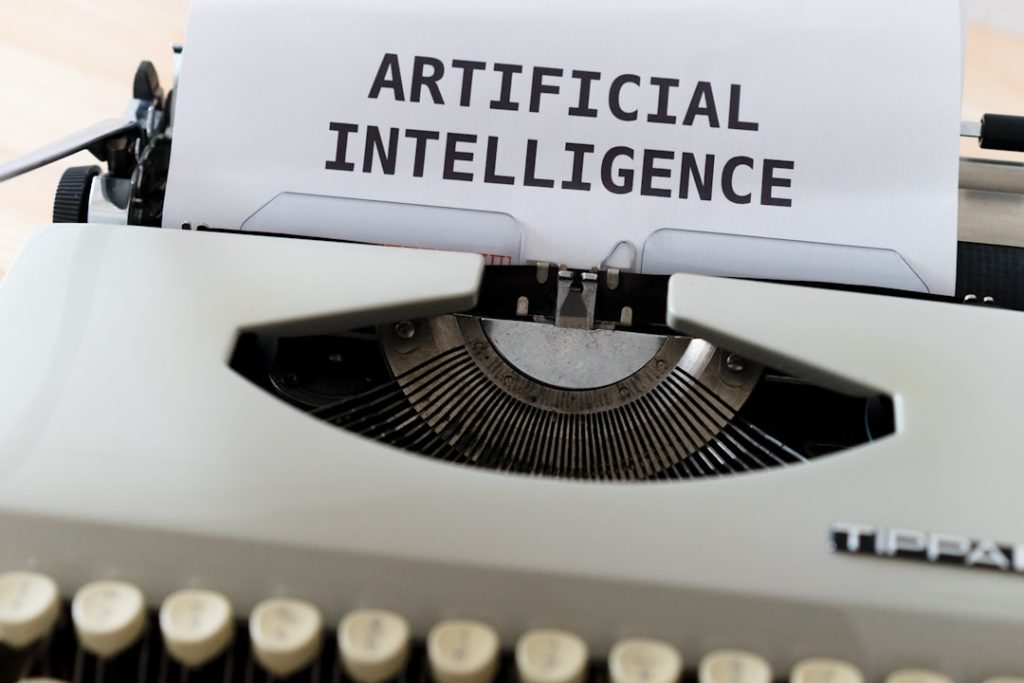
Photo by Markus Winkler on Unsplash
Photo by Steve A Johnson on Unsplash