
Understanding Modern Cruise Ship Categories: A Complete Fleet Analysis
The contemporary cruise industry has evolved into distinct segments, with some operators successfully managing multiple vessel types across different markets. This diversification strategy, while complex, offers travelers varied experiences from intimate river journeys to expansive ocean voyages and specialized expedition cruising.
What strikes me most about this multi-fleet approach is how it challenges traditional cruise line boundaries. Most operators stick to one category, but companies that venture across segments often create the most compelling value propositions for discerning travelers.
Ocean-Going Vessels: The Premium Market Evolution
The premium ocean cruise segment has witnessed remarkable transformation over the past decade. Modern vessels in this category typically accommodate between 900-1,000 passengers, striking an optimal balance between intimate service and operational efficiency.
These ships represent what I consider the sweet spot of cruising – large enough to offer comprehensive amenities yet small enough to maintain personalized service. The emphasis on Scandinavian design principles creates spaces that feel more like upscale hotels than traditional cruise ships, which appeals particularly to travelers who might otherwise avoid cruising altogether.
Key features include spacious staterooms starting at 270 square feet, multiple dining venues, and sophisticated public spaces centered around multi-deck atriums. The integration of thermal spa facilities as complimentary amenities sets these vessels apart from competitors who charge premium prices for similar experiences.
This category works exceptionally well for mature travelers seeking cultural enrichment without the crowds typical of mass-market cruising. However, families with young children or budget-conscious travelers might find the experience overly refined and expensive.
Design Philosophy and Passenger Experience
The architectural approach emphasizes natural light and open spaces, with glass-enclosed pool areas that adapt to weather conditions. This flexibility proves invaluable when sailing in unpredictable climates, though it does create a more enclosed feeling that some passengers find limiting.
The two-deck Explorers’ Lounges offer panoramic forward views, creating observation spaces that rival those found on much larger vessels. These areas become social hubs during scenic sailing, though they can feel crowded during peak viewing times.

River Cruising: Maximizing Limited Space
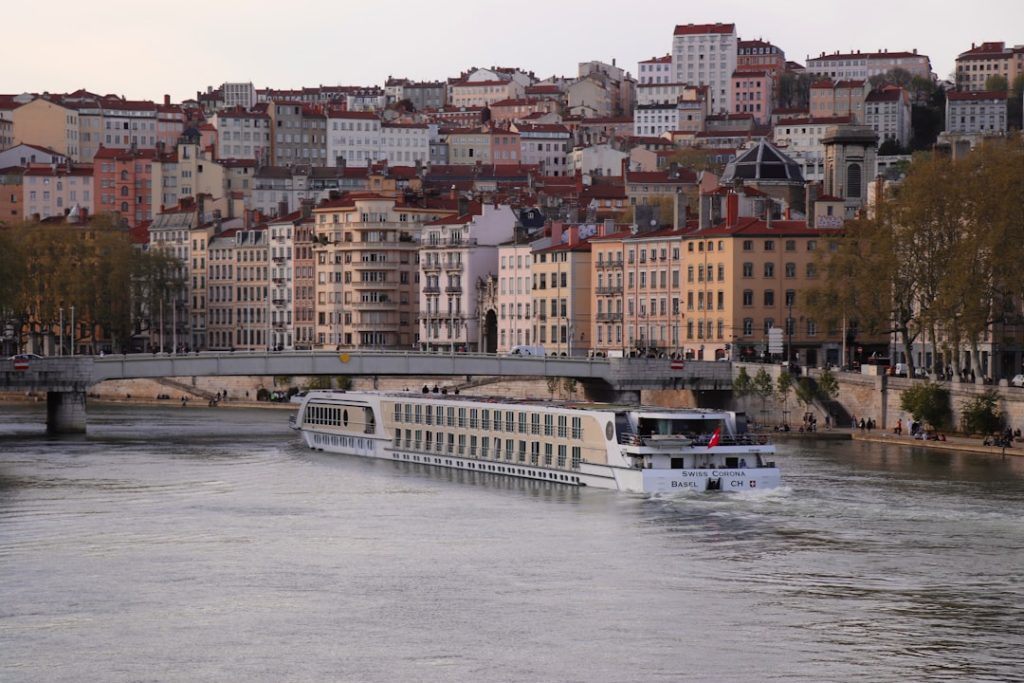
River vessels represent perhaps the most ingenious use of maritime engineering constraints. The Longship design, introduced in 2012, revolutionized river cruising through innovative space utilization that allows for genuine balcony accommodations on waterways with strict dimensional limitations.
The offset corridor design deserves particular recognition for its cleverness – by moving hallways off-center, designers created space for both traditional balconies and French balconies within the same vessel width. This engineering solution directly addresses river cruising’s primary limitation: space constraints.
Most river ships in this category accommodate around 190 passengers on vessels measuring 443 feet in length. The uniformity across the fleet means passengers know exactly what to expect, which eliminates uncertainty but also reduces the excitement of discovering unique vessel features.
River cruising appeals most to travelers who prioritize destination immersion over onboard entertainment. The limited amenities – typically one main restaurant, one lounge, and basic outdoor spaces – won’t satisfy those seeking resort-style vacation experiences.
Operational Advantages
The standardized design allows for efficient crew training and maintenance procedures across the entire fleet. This operational efficiency translates into competitive pricing, making river cruising accessible to a broader market than traditional luxury river operators serve.
However, the lack of fitness facilities and spas means these vessels aren’t suitable for wellness-focused travelers or those who prefer active vacation amenities.
Expedition Cruising: Purpose-Built Adventure
Expedition vessels represent the most specialized segment, designed specifically for remote destination access. These 378-passenger ships feature ice-strengthened hulls, extensive fuel and provisions storage, and integrated expedition equipment including submarines and zodiac landing craft.
The Hangar concept – an enclosed marina allowing protected small-craft boarding – represents genuine innovation in expedition ship design. This feature addresses one of polar cruising’s most significant challenges: safe passenger transfers in challenging conditions.

What impresses me most about these vessels is their commitment to authentic expedition experiences. The extensive naturalist teams and specialized equipment demonstrate serious dedication to educational travel rather than simply marketing adventure tourism.
These ships work best for physically capable travelers genuinely interested in natural history and remote destinations. They’re definitely not suitable for passengers seeking traditional cruise entertainment or those with mobility limitations.
Educational Focus
The integration of comprehensive expedition teams including specialized scientists elevates these voyages beyond typical cruise experiences. However, this educational intensity may overwhelm casual travelers seeking relaxation rather than learning opportunities.
The all-balcony accommodation approach ensures every passenger enjoys premium viewing opportunities, though the 378-passenger capacity creates potential crowding during wildlife viewing or landing operations.
Market Positioning and Value Assessment
This multi-fleet strategy positions the operator across three distinct market segments, from cultural river cruising through premium ocean voyaging to authentic expedition travel. The approach works because each vessel type serves genuinely different passenger preferences and travel styles.
The standardization within each category creates operational efficiencies that benefit both the company and passengers through competitive pricing and consistent service quality. However, this uniformity also means less variety for repeat passengers within the same category.
For travelers seeking reliable, well-executed cruise experiences with minimal surprises, this fleet approach offers excellent value. Those preferring unique vessel personalities or cutting-edge amenities might find the standardized approach somewhat limiting.
The expansion plans suggest confidence in this market positioning, though the rapid growth raises questions about maintaining service quality across an increasingly large fleet. The success of this model will likely influence how other cruise operators approach fleet development in coming years.
Photo by Walter Martin on Unsplash
Photo by S O C I A L . C U T on Unsplash