
The Science Behind Window Management During Extreme Heat: A Strategic Approach
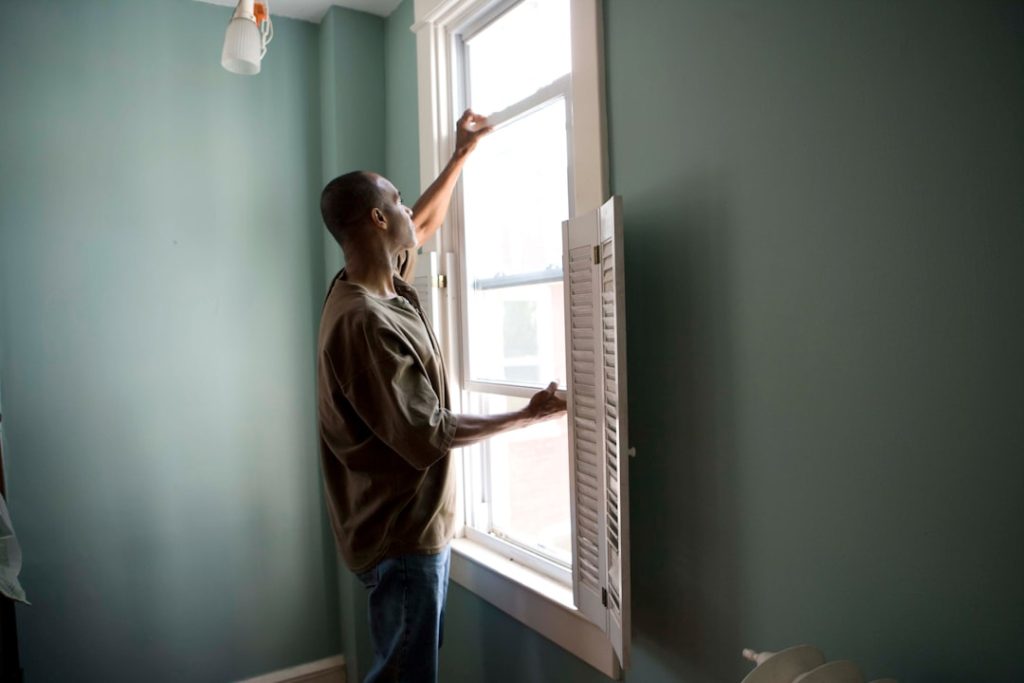
When scorching temperatures grip our communities, homeowners face a critical decision that could make or break their comfort levels: whether to open or close their windows. Having observed countless people struggle with this seemingly simple choice, I believe most individuals are making fundamental mistakes that actually worsen their indoor climate.
The Physics of Heat Management
The reality is that effective temperature control during extreme weather requires understanding basic heat transfer principles. Heat enters buildings through two primary pathways: direct solar radiation streaming through glass surfaces and warm air infiltration from outside. What many people don’t realize is that their intuitive response to “let in fresh air” often backfires spectacularly.
Building science experts emphasize that the key lies in monitoring comparative temperatures. The golden rule is straightforward: only open windows when indoor temperatures exceed outdoor readings. Otherwise, you’re essentially inviting hot air into your living space, which strikes me as counterproductive for anyone seeking relief.

Strategic Window and Shade Management
I’m convinced that proper shade management represents the most overlooked aspect of home cooling. Keeping curtains and blinds closed on sun-facing surfaces throughout daylight hours prevents the greenhouse effect that transforms rooms into ovens. This approach benefits virtually everyone, regardless of housing type or budget constraints.
For homeowners with conservatories or sunrooms, the stakes are even higher. These glass-enclosed spaces can become heat traps that radiate warmth throughout the entire house. Smart management involves isolating these areas during peak heat periods while maintaining ventilation to prevent dangerous temperature buildup.
Nighttime Cooling Strategies
The evening hours present the optimal opportunity for natural cooling, though timing remains crucial. Once outdoor temperatures begin dropping after sunset, opening windows creates beneficial cross-ventilation that helps flush accumulated heat from interior spaces. This technique works particularly well for budget-conscious individuals who lack central air conditioning systems.

Sleep quality experts recommend focusing especially on bedroom ventilation during these cooler evening periods. The combination of reduced outdoor temperatures and increased air circulation can significantly improve overnight comfort levels, which I consider essential for maintaining health during heat waves.
Who Benefits Most from These Strategies
These window management techniques prove most valuable for renters and homeowners without expensive cooling systems. People living in older buildings with poor insulation will see dramatic improvements, while those in modern, well-sealed homes with central air might find the impact less pronounced.
Individuals with health conditions that make them heat-sensitive should pay particular attention to these methods, as they provide cost-effective relief without relying on energy-intensive solutions. However, people with severe respiratory conditions might need to balance ventilation benefits against potential air quality concerns from outdoor pollutants.
The bottom line is that strategic window management costs nothing but requires discipline and attention to temperature patterns. For most households dealing with extreme heat, these simple adjustments can mean the difference between miserable indoor conditions and tolerable living spaces.
Photo by Surja Sen Das Raj on Unsplash