
The Invisible Safety Tax: Why Solo Female Travel Requires Strategic Deception
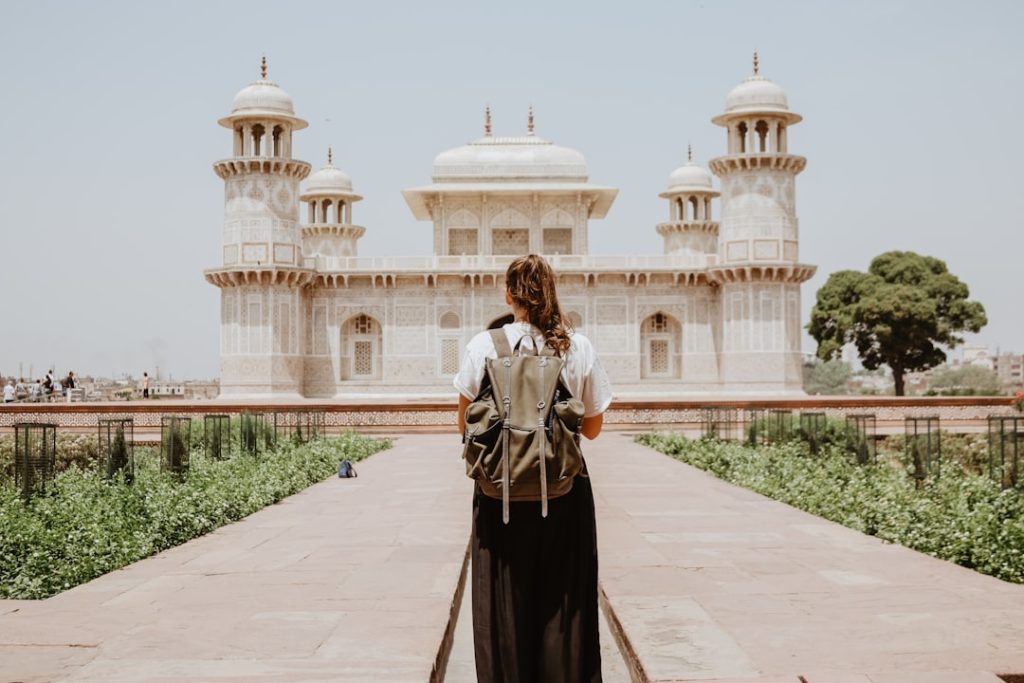
The Dream That Remains Just Out of Reach
Every woman who loves to travel has that one trip she dreams about but will never take. Mine involves a secluded cottage in rural England, where I could spend days reading, writing, and simply existing without the constant vigilance that defines female travel. The irony isn’t lost on me that the very isolation I crave is precisely what makes it impossible.
This isn’t about lacking courage or independence – it’s about understanding a fundamental truth that society rarely acknowledges openly. When women travel alone, we’re not just tourists; we’re potential targets navigating a complex risk assessment that men simply don’t face. I believe this reality deserves honest discussion, not the sanitized version we usually get in travel blogs.
When Kindness Comes with Hidden Invoices
My recent experience in an Italian lakeside village perfectly illustrates this dynamic. After a grueling day of travel, my friend and I found ourselves dragging luggage up steep cobblestone streets in the dark. When local young men offered to help carry our bags, I felt genuine gratitude. They seemed kind, helpful, and genuinely interested in making our evening easier.
The evening was delightful – broken conversations through translation apps, shared laughter, and what felt like authentic human connection. I was ready to write one of those heartwarming posts about travel restoring faith in humanity. Then came the follow-up messages suggesting we “have fun together” at a nightclub before leaving – with the clear implication that this was payment for their earlier assistance.
I wasn’t shocked, just exhausted by the predictability. This pattern is so common that experienced female travelers can spot it from miles away. What initially appears as genuine kindness often transforms into an expectation of romantic or sexual reciprocity. The men who do this probably don’t see themselves as predatory – they likely view it as shooting their shot. But for women, it’s a reminder that even basic human kindness often comes with strings attached.

The Art of Manufacturing Male Protection
Here’s what I think many people don’t realize: successful solo female travel requires becoming an accomplished liar. I’ve perfected the art of creating fictional male companions. The imaginary husband who stayed behind for work meetings. The boyfriend picking me up later. The male friend joining me tomorrow. These lies roll off my tongue with practiced ease because they’re survival tools, not character flaws.
The fake wedding ring has become standard equipment, as essential as my passport. It’s remarkable how a simple band of metal can transform interactions. Suddenly, aggressive advances become polite conversations. Persistent followers become helpful strangers offering directions. The ring doesn’t guarantee safety, but it shifts the social mathematics in my favor.
I find this deeply problematic yet absolutely necessary. The fact that an imaginary man provides more protection than my actual presence says everything about how society views women’s autonomy. We’re not seen as complete entities deserving of respect – we’re potential acquisitions that become off-limits only when claimed by other men.
Who This Reality Affects Most
This safety tax hits different women differently. Young women face more aggressive attention but often have less experience managing it. Older women might encounter less harassment but face different vulnerabilities. Women from certain cultural backgrounds deal with additional layers of assumptions and stereotypes. Solo travelers bear the full weight, while those who can afford to travel in groups or hire guides have more options.
Wealthy women can buy safety through private transportation, upscale accommodations, and guided tours. Budget travelers – often younger women or those from developing countries – face the highest risks with the fewest resources to mitigate them. This creates an unfair system where adventure and independence become luxuries available primarily to those with significant financial means or male companions.

The Calculations We Don’t Talk About
Every female traveler becomes an expert risk analyst, though we rarely discuss this expertise openly. We learn which train cars offer better sight lines and escape routes. We master the art of appearing confident while remaining hypervigilant. We develop instincts about which strangers to trust and which offers of help to decline.
These skills aren’t taught in travel guides or discussed in glossy magazine articles about solo female adventure. Instead, we learn them through experience, shared whispers among female travelers, and sometimes through frightening encounters that could have ended much worse.
I believe this hidden curriculum represents one of the most significant barriers to true gender equality in travel. While men plan itineraries around interests and budgets, women must factor in safety calculations that can eliminate entire destinations, accommodation types, and experiences.
The Real Cost of This Reality
The saddest part isn’t just the trips we don’t take – it’s how this constant vigilance changes us. We become experts at reading situations, anticipating threats, and managing male attention. These skills serve us well, but they come at the cost of spontaneity and trust. We lose the ability to simply exist as travelers rather than female travelers navigating a world that sees us as inherently vulnerable.
That English countryside cottage remains bookmarked in my browser, a symbol of the adventures that feel just out of reach. Not because I lack the resources or courage to book it, but because the mathematics of female safety make it an unacceptable risk. Until I have a male companion to change those calculations, it will remain a beautiful impossibility – a reminder of how gender shapes even our dreams of escape.
This isn’t about weakness or victimhood; it’s about acknowledging a reality that millions of women navigate daily. Only by honestly discussing these constraints can we begin to challenge the systems that create them.
Photo by Ibrahim Rifath on Unsplash
Photo by Ivana Cajina on Unsplash
Photo by Kristina Wagner on Unsplash