
Revolutionary Remote Security Screening Could Transform Air Travel Experience
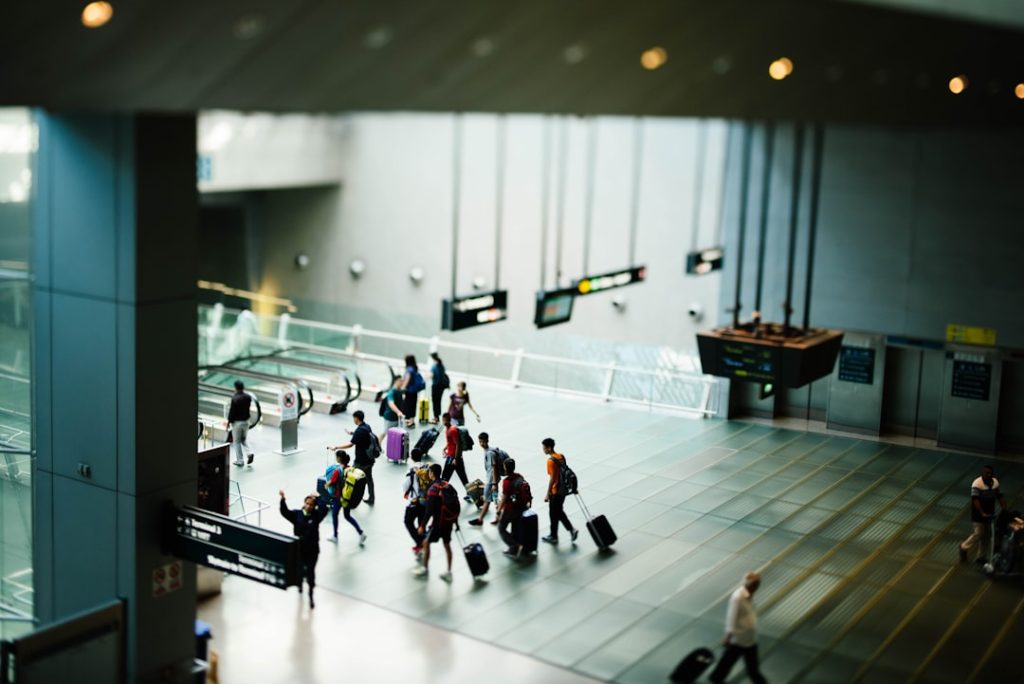
A groundbreaking aviation experiment is quietly unfolding in Massachusetts that could fundamentally change how we think about airport security. Boston Logan International Airport has launched a three-month pilot program allowing passengers to complete their security screening at a facility located 25 miles from the main terminal, then travel directly to their departure gates via dedicated transportation.
I believe this represents one of the most innovative approaches to addressing airport congestion we’ve seen in years. The concept is brilliantly simple: instead of forcing thousands of travelers to converge on a single security checkpoint, why not distribute the screening process across multiple locations?
How the Remote Screening Process Works
Beginning June 1st, travelers can visit the remote facility in Framingham to complete their entire pre-flight process. Security personnel conduct screenings using identical protocols to those at the main airport, including expedited screening options for eligible passengers. After clearing security, travelers wait in a designated area equipped with basic amenities before boarding secure transportation directly to their departure gate.
What strikes me as particularly clever about this approach is how it maintains security integrity while dramatically improving the passenger experience. The Landline Company operates the secure shuttle service, while trained security agents handle all screening procedures and airline staff manage luggage transfers at the gate.

Who Benefits Most From This Innovation
This service will be a game-changer for certain types of travelers, though it won’t suit everyone. Families with young children will likely find tremendous value in avoiding crowded airport terminals. Business travelers who prioritize predictability and comfort should also appreciate the streamlined process.
However, I think spontaneous travelers or those who prefer last-minute flexibility might find the additional planning requirements burdensome. The service requires arriving 45 minutes before scheduled bus departure, which adds another layer of timing considerations to trip planning.
Cost Considerations and Practical Benefits
The pricing structure appears thoughtfully designed to encourage adoption. At $9 for a one-way trip with free transportation for children, the service could actually save money for many travelers. When you factor in Boston Logan’s $37 daily parking fee compared to the remote facility’s $7 rate, suburban families could see significant savings.
For residents dealing with Boston’s notorious traffic congestion, this option provides a compelling alternative. While the 50-minute bus journey follows regular traffic routes, it eliminates the stress of navigating to the airport and searching for parking.

Current Limitations and Future Potential
The pilot program currently serves only two major carriers during daytime hours, which limits its immediate impact. Passengers flying with other airlines or during evening hours won’t benefit from this innovation yet.
I suspect this limitation is intentional, allowing organizers to refine operations before expanding. The 55-passenger bus capacity and hourly scheduling suggest careful attention to managing demand during this testing phase.
Industry Implications and My Assessment
This experiment could catalyze similar programs at airports nationwide if successful. The concept addresses multiple industry pain points: passenger satisfaction, operational efficiency, and capacity constraints at existing terminals.
What impresses me most is how this approach democratizes premium airport services. While exclusive screening services exist at major hubs for wealthy travelers paying thousands annually, this program offers similar benefits to all passenger classes at minimal cost.
I believe airports with significant suburban populations and traffic challenges will watch this pilot closely. The model could prove particularly valuable for facilities struggling with capacity limitations or those serving sprawling metropolitan areas.
The reservation system, allowing bookings up to 90 days in advance, demonstrates serious commitment to making this work long-term. This isn’t a publicity stunt – it’s a genuine attempt to reimagine airport operations for the modern era.
Photo by CHUTTERSNAP on Unsplash
Photo by Phil Mosley on Unsplash
Photo by Chris Leipelt on Unsplash