
Reality TV Star Provides Update on Missing Husband’s Dubai Detention
A prominent British television personality has offered new insights into her brief conversation with her spouse following a two-week period of complete silence, during which the businessman claimed to be imprisoned in Dubai under espionage suspicions.
The media figure announced midweek that contact had finally been reestablished with her husband, who had mysteriously disappeared a fortnight prior. The Dubai-based entrepreneur was scheduled to travel to Britain in early May but never arrived, with his last communications indicating he had been “detained” by local authorities.
What strikes me most about this situation is how it highlights the precarious nature of international business dealings in certain jurisdictions. For anyone considering ventures in the Middle East, this case serves as a sobering reminder that legal protections we take for granted elsewhere may not apply.
During her latest podcast episode, the television star elaborated on the circumstances surrounding her husband’s detention. Speaking with her sister, she revealed: “He has been found alive and I spoke to him for one minute and they thought he was a spy, he’s been interrogated, they had hoods on him and that.”
The reality star expressed intentions to travel to Dubai personally, though her packed filming schedule – including documentary work – presents logistical challenges. “I’m so busy but I have to find at least a couple of days to find out where he is, when I can see him,” she explained.

I find it particularly telling that she’s prioritizing her media commitments over what should arguably be a family emergency. This speaks to either the demands of her industry or perhaps a calculated approach to managing public perception during a crisis.
The case took an interesting turn when social media activity on the detained man’s accounts raised questions among followers. A former reality TV contestant had noted that his Facebook profile showed recent activity despite claims of detention, while observers pointed out new Instagram follows during his supposed incarceration.
Addressing these concerns directly, the television personality stated: “I did ask him – he hasn’t been on his phone. He hasn’t had his phone. He’s been interrogated, they’ve gone through his phone so they’ve been mucking about on his phone basically.”
Regarding the Instagram activity, she provided this explanation: “What happened with that other woman was apparently she activated her account and maybe she followed [him] or [he] followed her years ago or whenever. They’ve never exchanged messages or nothing. So she blocked him. That’s why it’s gone back.”
This explanation feels somewhat convoluted to me, and I suspect many observers will find it unconvincing. The timing of these social media interactions during a supposed detention raises legitimate questions that deserve clearer answers.

The brief phone conversation reportedly occurred from a call box within Al Awir prison, arranged through the businessman’s father. The reality star described the exchange as “very rushed” but confirmed her husband’s claims about being suspected of espionage activities.
For anyone following this story, I believe the most important takeaway isn’t the celebrity drama but rather the broader implications for international travelers and business people. The ease with which someone can disappear into a foreign legal system should give pause to anyone operating in jurisdictions with opaque judicial processes.
The television personality has committed to conducting a comprehensive interview with her husband upon his release, stating: “I think the public deserve it because it’s gone everywhere.” This suggests an awareness that public scrutiny demands transparency, though whether such an interview would provide genuine clarity remains questionable.
Initially, the reality star had expressed fears about potential kidnapping when contact was first lost. However, she later announced she would be “taking a step back” from actively pursuing the matter, citing concerns for her mental health. This decision, while understandable from a personal standpoint, raises questions about the seriousness of the situation.
What concerns me most about this entire episode is how it illustrates the vulnerability of individuals operating in foreign jurisdictions without proper legal safeguards. Whether this case involves genuine detention, miscommunication, or something else entirely, it serves as a cautionary tale for international business dealings.
The situation remains fluid, with local authorities yet to provide official comment on the detention or the circumstances surrounding it. For now, the public must rely on secondhand accounts and brief phone conversations to piece together what actually transpired during those two weeks of silence.
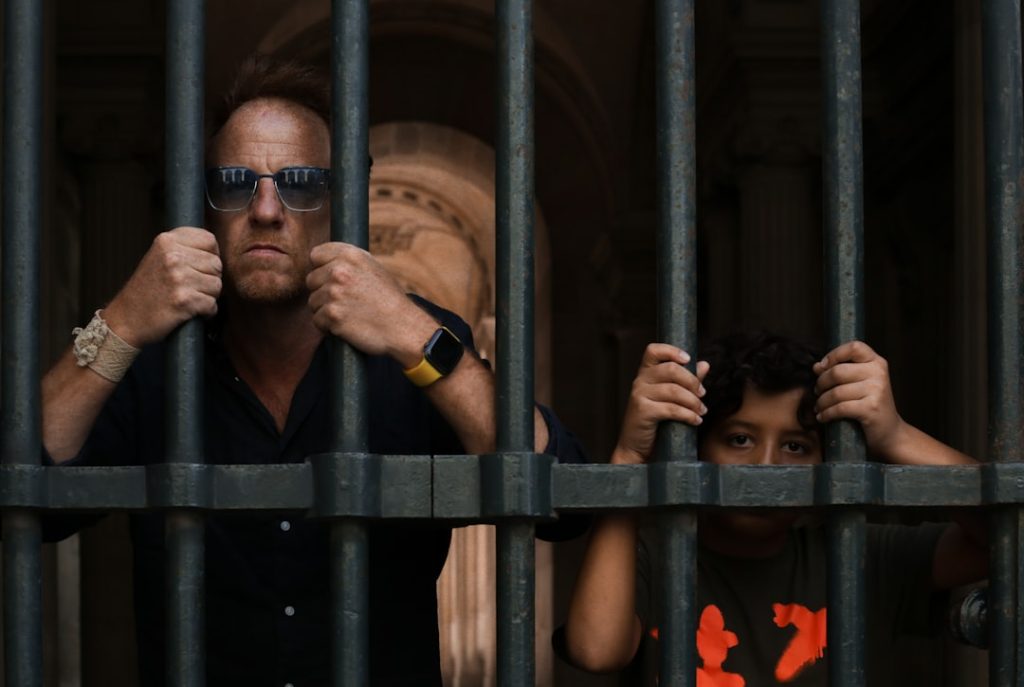
Photo by Karollyne Videira Hubert on Unsplash