
Italian Luxury Brand Defies Industry Downturn Through Ethical Business Philosophy
While the luxury fashion industry grapples with declining sales and consumer fatigue, one Italian cashmere specialist has emerged as a standout performer, demonstrating that sustainable business practices can drive exceptional growth even in challenging market conditions.
The company, renowned for its premium knitwear and cashmere products, reported impressive 14% revenue growth in the first quarter, a stark contrast to the stagnant performance plaguing many established luxury conglomerates. This success story offers valuable insights for both investors and industry executives questioning the sustainability of aggressive profit-maximization strategies.
What strikes me most about this approach is how it challenges the conventional wisdom that luxury brands must choose between ethics and profitability. The company’s Co-CEO Riccardo Stefanelli articulates a philosophy that should resonate with anyone tired of short-term thinking: “You don’t have to be greedy. If you are greedy, it means that you are taking value from the supply chain and you are depleting someone.”
This perspective is particularly relevant for mid-market luxury consumers who have grown increasingly skeptical of brands that raise prices without corresponding improvements in quality or value. During the post-pandemic luxury boom that ended in 2022, many brands pushed price increases as high as 30%, creating a disconnect between perceived value and actual cost that continues to haunt the industry today.

The Italian brand has maintained a disciplined pricing strategy, keeping retail prices at 7-8 times industrial production costs. This formula represents what I consider a refreshingly honest approach to luxury pricing, one that acknowledges the relationship between manufacturing costs and final price points rather than exploiting brand prestige for excessive margins.
For investors, this case study presents compelling evidence that family-controlled luxury businesses can outperform publicly traded conglomerates focused on quarterly results. The founding family maintains 51% ownership, providing the control necessary to pursue long-term strategies without succumbing to short-term market pressures.
However, this model isn’t suitable for everyone. Large luxury conglomerates with diverse brand portfolios and massive scale requirements would find it challenging to replicate this intimate, artisanal approach. The company’s relatively modest size – with a market capitalization of approximately 6 billion euros and 1.4 billion euros in revenue – allows for the kind of focused attention that would be impossible at larger organizations.
The brand’s commitment to what it calls “humanistic capitalism” extends beyond marketing rhetoric into practical business decisions. Rather than chasing rapid expansion in high-growth markets, the company maintains controlled annual growth targets of 10-12%, prioritizing brand exclusivity over volume.

This strategy particularly benefits affluent consumers seeking authentic luxury experiences rather than status symbols. As the luxury market increasingly polarizes between mass-aspirational products and ultra-exclusive offerings, brands positioned in the latter category enjoy greater pricing power and customer loyalty.
The company’s approach to geographic expansion also demonstrates admirable restraint. While acknowledging significant growth opportunities in Asia, leadership refuses to compromise their Italian identity to chase market trends. This authenticity resonates with consumers who can distinguish between genuine craftsmanship and manufactured luxury narratives.
From a labor perspective, the brand’s emphasis on fair wages addresses a critical industry challenge. Stefanelli’s observation that higher compensation is essential for attracting young talent to traditional crafts like tailoring and spinning reflects a broader truth: luxury brands dependent on artisanal skills must invest in their human capital or risk losing their competitive advantage.
The company has faced challenges, including short-seller allegations regarding Russian operations that caused significant stock volatility. While management strongly disputed these claims, the incident highlights how even ethically-focused businesses remain vulnerable to market speculation and geopolitical complexities.
For luxury industry executives, this case offers a roadmap for sustainable growth that doesn’t sacrifice long-term brand equity for short-term gains. The key lies in maintaining pricing discipline, investing in supply chain relationships, and resisting the temptation to chase every available market opportunity.
Ultimately, this Italian success story suggests that luxury consumers are ready to reward brands that demonstrate genuine commitment to quality and ethical practices. In an industry often criticized for superficial sustainability initiatives, companies willing to embed these values into their core business model may find themselves better positioned for long-term success.
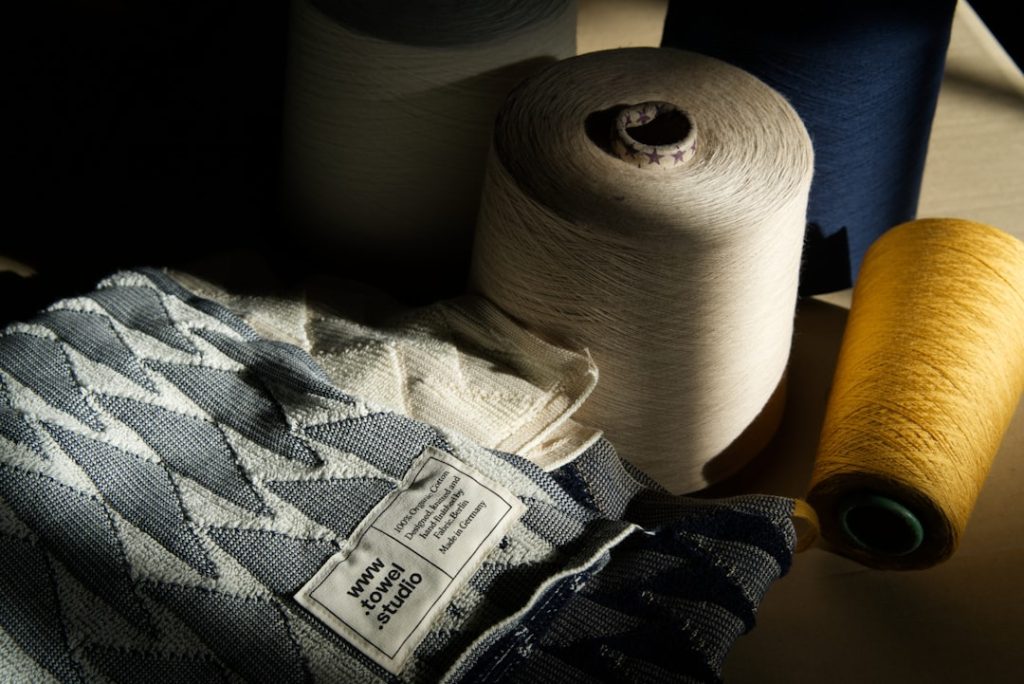
Photo by towel.studio on Unsplash
Photo by Bozhin Karaivanov on Unsplash
Photo by Sina Bahar on Unsplash