
Fashion Industry Roundup: Model Breakthroughs, Luxury Growth, and Retail Evolution
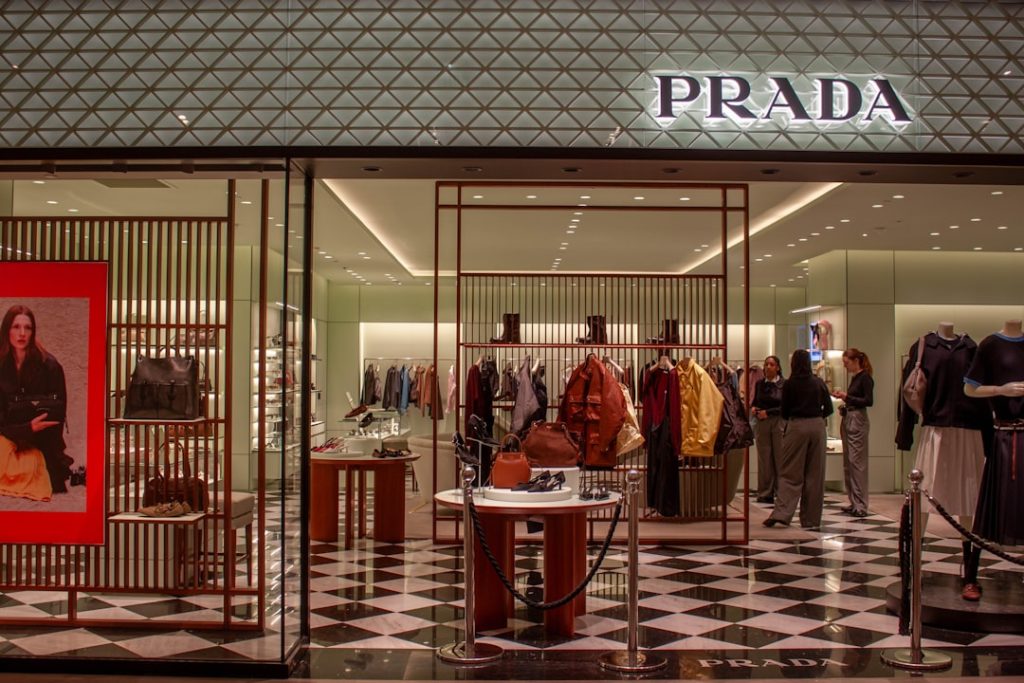
The fashion world continues to evolve at breakneck speed, with several significant developments shaping the industry landscape this week. From groundbreaking magazine covers to impressive financial results and emerging retail trends, these stories reveal where fashion is heading—and who’s driving the change.
Transgender Representation Takes Center Stage
Alex Consani’s latest magazine cover represents more than just another fashion shoot—it’s a watershed moment for transgender visibility in mainstream media. The supermodel graces Harper’s Bazaar’s Summer 2026 issue in a stunning gold Louis Vuitton dress, photographed by Jonathan Frantini and styled by Rae Boxer.
What strikes me most about this development is how it reflects the industry’s genuine commitment to inclusivity rather than performative gestures. Consani’s discussion of supporting trans youth and maintaining authenticity amid success resonates particularly strongly in today’s polarized climate. This is exactly the kind of representation that matters—not tokenistic, but substantive and meaningful.
For brands and publications, this signals that authentic diversity isn’t just morally right; it’s commercially smart. Younger consumers, who drive significant purchasing power, expect to see themselves and their values reflected in the media they consume.
Luxury Market Demonstrates Resilience
Ralph Lauren’s impressive fourth-quarter performance—a 17% revenue jump to $2 billion—tells a compelling story about luxury consumer behavior. The company’s ability to attract 6.5 million new direct-to-consumer customers while crossing the $8 billion annual revenue threshold speaks to strategic execution rather than market luck.
I find their success particularly noteworthy because it contradicts the doom-and-gloom narrative surrounding luxury spending. The key factors driving this growth—product elevation, global expansion, and direct-to-consumer focus—represent a playbook that other heritage brands should study carefully.

This performance suggests that consumers are becoming more discerning rather than simply cutting back. They’re willing to invest in brands that offer genuine value and authentic experiences, which should encourage luxury houses to focus on quality over quantity.
Emerging Talent Gets Essential Support
The British Fashion Council’s announcement of its 2026 NewGen recipients highlights an often-overlooked aspect of fashion’s ecosystem: the critical importance of nurturing emerging talent. The fourteen selected designers—including A Letter, Charlie Constantinou, and Karoline Vitto—will receive financial grants, mentorship, and industry visibility.
What I appreciate about this program is its comprehensive approach. It’s not just about money; it’s about providing the infrastructure that young designers desperately need to survive in an increasingly competitive market. The opportunity to present during London Fashion Week this fall could be career-defining for these creators.
For the industry’s long-term health, programs like NewGen are absolutely essential. Without them, we risk losing innovative voices to financial pressures before they can fully develop their creative vision.
Industry Leadership Evolution
The CFDA’s appointment of Gabriela Hearst and Joseph Altuzarra to its Board of Directors represents a strategic move toward more diverse leadership. Both designers bring unique perspectives—Hearst’s sustainability focus and Altuzarra’s international experience—that reflect the industry’s evolving priorities.
This matters because fashion organizations need leaders who understand contemporary challenges like environmental responsibility and global market dynamics. The current board composition, which includes established names like Thom Browne and emerging voices like Aurora James, suggests a healthy balance between experience and innovation.

Retail Innovation and Celebrity Brand Struggles
Two contrasting retail stories emerged this week that illustrate different aspects of consumer behavior. The rise of in-store resale experiences reflects a fundamental shift in shopping habits, particularly among younger consumers who view secondhand items as desirable rather than secondary options.
I believe this trend represents a permanent change rather than a temporary fad. Retailers who embrace resale concepts are positioning themselves for long-term relevance, while those who ignore it risk becoming obsolete.
Conversely, Blake Lively’s hair brand Blake Brown reportedly struggles with declining sales at Target, generating only about $90,000 weekly—a concerning figure for a celebrity-backed venture. The timing of the brand’s launch during Lively’s legal controversies, combined with insufficient ongoing promotion, demonstrates how quickly consumer sentiment can shift.
This serves as a reminder that celebrity endorsement alone isn’t enough in today’s market. Consumers expect authentic engagement and consistent quality, not just famous names attached to products.
Looking Forward
These developments collectively suggest an industry in transition, where authenticity, sustainability, and genuine innovation matter more than traditional markers of success. The brands and individuals thriving are those who understand that modern consumers value substance over surface-level appeal.
For industry professionals, the message is clear: adapt to changing consumer expectations or risk irrelevance. For consumers, these trends offer more choices and better representation than ever before, which ultimately benefits everyone involved in fashion’s complex ecosystem.
Photo by Kamilla Isalieva on Unsplash
Photo by Lens by Benji on Unsplash
Photo by Yingjie Wang on Unsplash