
Electric Supercar Controversy: When Heritage Meets Silicon Valley Aesthetics
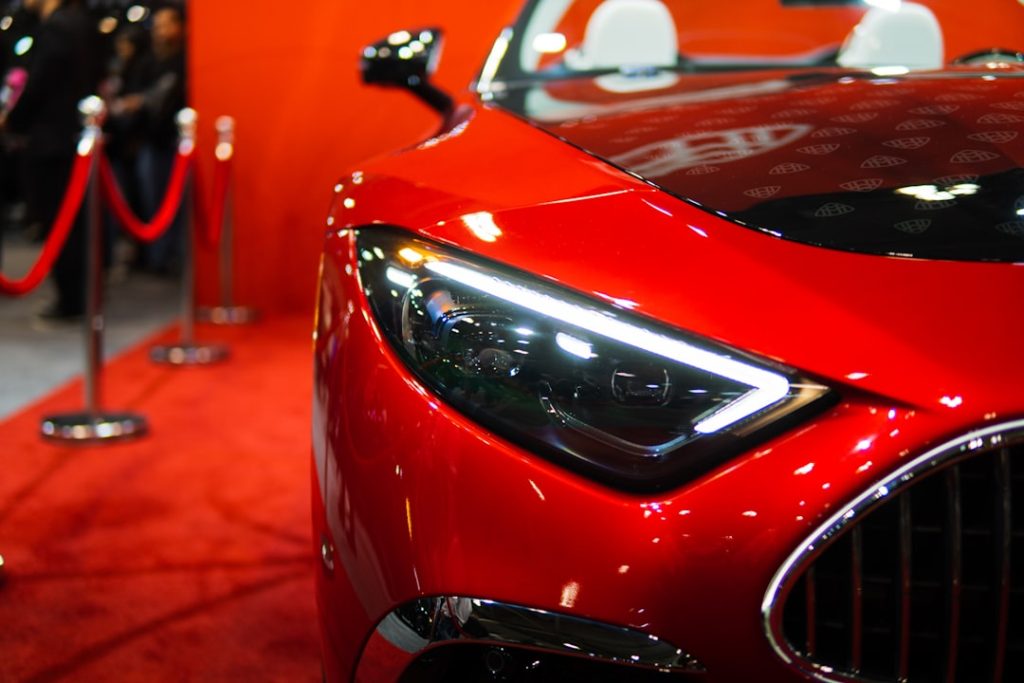
The automotive world is witnessing a fascinating cultural clash as traditional luxury car enthusiasts express fierce opposition to the latest electric supercar design from Italy’s most prestigious manufacturer. The vehicle’s contemporary aesthetic has sparked heated debates about whether modern technology should override decades of established design philosophy.
What strikes me most about this controversy is how it perfectly encapsulates the broader tension between innovation and tradition in the luxury automotive sector. The criticism centers on the car’s minimalist, tech-forward appearance that critics argue resembles consumer electronics more than a traditional sports car. This reaction reveals something deeper about brand identity and customer expectations in the digital age.
I believe this backlash is particularly relevant for luxury brand managers and automotive designers who are grappling with similar challenges. The question isn’t just about electric powertrains anymore – it’s about maintaining brand DNA while embracing radical technological shifts. Traditional supercar enthusiasts, who value heritage and emotional connection to mechanical engineering, clearly feel alienated by designs that prioritize digital integration over classical automotive aesthetics.
The controversy highlights several key stakeholder groups with conflicting interests:
- Heritage purists who view the brand as a guardian of automotive tradition
- Tech-savvy younger buyers who expect seamless digital integration
- Environmental advocates pushing for sustainable luxury alternatives
- Collectors concerned about long-term brand value preservation
From my perspective, this situation demonstrates the impossible balancing act facing legacy luxury brands. They must satisfy existing customers while attracting new demographics, all while navigating the electric transition that’s reshaping the entire industry. The criticism about ‘Silicon Valley influence’ reflects a deeper anxiety about European automotive culture being overwhelmed by American tech aesthetics.
I think the real issue isn’t the electric powertrain itself – most enthusiasts accept that’s inevitable – but rather the perception that technological advancement requires abandoning distinctive design language. This matters enormously for brand positioning and customer loyalty in the ultra-luxury segment, where emotional connection often outweighs rational purchasing decisions.
The situation is particularly challenging for manufacturers who built their reputation on mechanical excellence and distinctive styling. While tech integration is necessary for competitive positioning, the execution clearly needs to respect brand heritage more thoughtfully. This controversy will likely influence how other luxury manufacturers approach their own electric vehicle designs, potentially leading to more conservative styling choices that better honor traditional aesthetics while incorporating modern functionality.