
Energy Market Dynamics: Understanding Current Utility Sector Trends
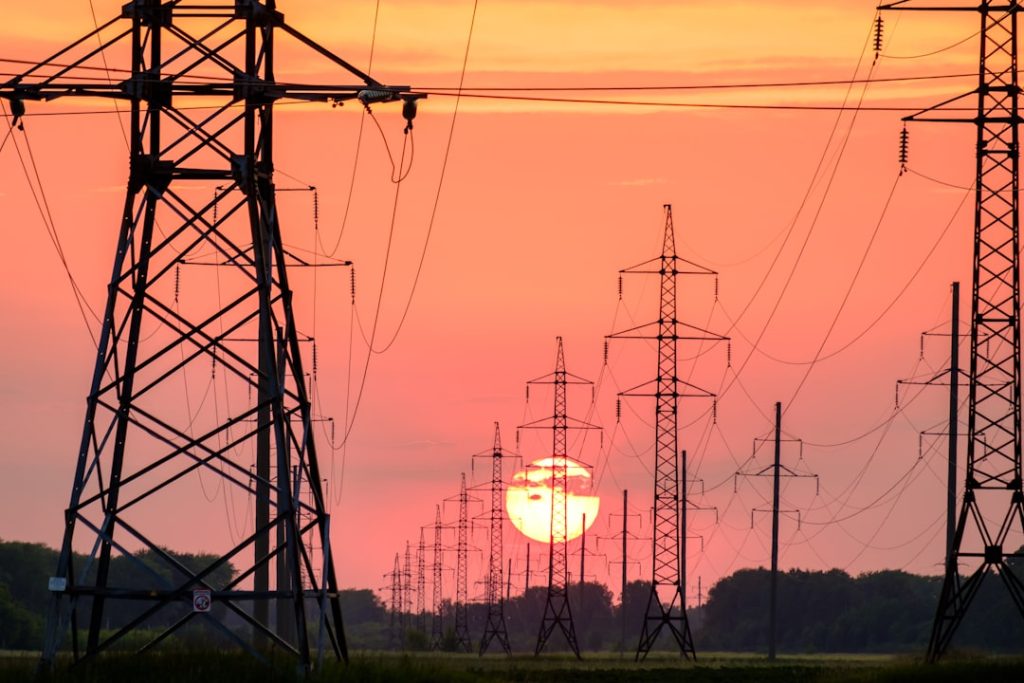
The energy and utilities sector continues to navigate a complex landscape of regulatory changes, technological disruption, and shifting consumer demands. What we’re witnessing today isn’t just another market cycle—it’s a fundamental transformation that will separate the forward-thinking companies from those clinging to outdated business models.
I believe the most significant development is the accelerating transition toward renewable energy infrastructure. This shift presents enormous opportunities for utilities that embrace innovation, while potentially devastating those that resist change. The companies positioning themselves as energy transition leaders today will likely dominate tomorrow’s market landscape.
Regulatory Environment Reshaping Industry Standards
Government policies are driving unprecedented changes in how utilities operate and plan for the future. The regulatory push toward cleaner energy sources isn’t just environmental posturing—it’s creating real economic incentives that smart investors should pay attention to.

For utility companies, this regulatory environment represents both challenge and opportunity. Those with aging coal-fired plants face substantial conversion costs, while companies already investing in renewable infrastructure find themselves ahead of the curve. In my view, the utilities that will thrive are those treating regulatory compliance not as a burden, but as a competitive advantage.
Technology Integration Transforming Operations
The integration of smart grid technology and energy storage solutions is revolutionizing how utilities deliver services. This technological evolution matters most for companies serving growing metropolitan areas where energy demand continues rising.
I think the real winners will be utilities that successfully implement predictive maintenance systems and automated grid management. These technologies don’t just improve efficiency—they fundamentally change the customer experience and operational cost structure. Smaller, regional utilities might struggle with the capital requirements for these upgrades, while larger operators can leverage economies of scale.

Investment Implications for Different Stakeholder Groups
For income-focused investors, traditional utility stocks remain attractive due to their dividend stability, but I believe the highest returns will come from companies actively modernizing their infrastructure. Conservative investors might prefer established utilities with strong balance sheets, while growth-oriented investors should focus on companies making aggressive renewable energy investments.
Institutional investors are particularly well-positioned to benefit from this sector transformation. They have the resources to conduct thorough due diligence on utilities’ transition strategies and can take larger positions in companies with the most promising technological implementations.
Market Outlook and Strategic Considerations
Looking ahead, I expect continued volatility in energy commodity prices will create both risks and opportunities. Utilities with diversified energy portfolios and flexible generation capabilities will weather price fluctuations better than those dependent on single fuel sources.
The sector’s evolution also means traditional valuation metrics might not capture the full picture. Companies investing heavily in future infrastructure might show temporarily depressed earnings while positioning for long-term success. Conversely, utilities maintaining older systems might appear profitable today but face substantial future capital requirements.
For retail investors, this sector requires careful analysis beyond simple dividend yields. The utilities that survive and thrive will be those adapting quickly to technological and regulatory changes while maintaining financial discipline. Those that don’t adapt risk becoming obsolete in an increasingly competitive and technologically sophisticated energy market.
Photo by Andrey Metelev on Unsplash
Photo by Anton Dmitriev on Unsplash
Photo by Антон Дмитриев on Unsplash