
Market Volatility Emerges as Geopolitical Tensions Drive Energy Prices Higher
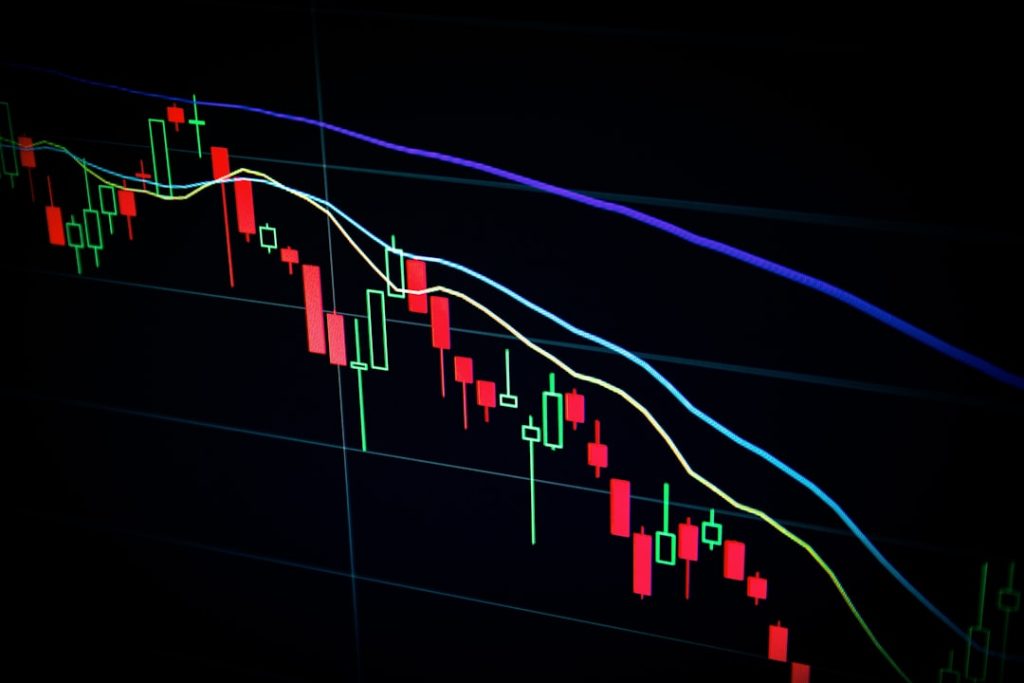
Financial markets experienced a notable shift in sentiment as renewed conflict in the Middle East region sent ripple effects across global trading floors. The latest developments have fundamentally altered investor expectations about regional stability and its impact on global commodity flows.
In my view, this market reaction perfectly illustrates how interconnected our global economy has become. What happens in one corner of the world immediately affects portfolios thousands of miles away, and investors who ignore geopolitical risks do so at their own peril.
Energy commodities surged as traders reassessed supply chain vulnerabilities in one of the world’s most critical oil-producing regions. This price movement reflects legitimate concerns about potential disruptions to energy infrastructure and shipping lanes that are vital to global commerce.

I believe this situation particularly benefits energy sector investors and commodity traders who positioned themselves defensively ahead of these developments. Those with exposure to oil futures, energy stocks, and related infrastructure plays are likely seeing portfolio gains that offset losses elsewhere.
Conversely, this environment creates challenges for sectors heavily dependent on stable energy costs. Airlines, shipping companies, and manufacturing businesses that rely on predictable fuel expenses may face margin pressure if elevated energy prices persist.
Bond markets reflected this uncertainty as yields moved higher, suggesting investors are demanding greater compensation for risk. This shift indicates that the previous period of relatively calm markets may be ending, replaced by a more volatile environment that requires active portfolio management.

From my perspective, retail investors should view this as a reminder of why diversification matters. Those with concentrated positions in growth stocks or technology companies may find their portfolios more vulnerable during periods of geopolitical stress, while investors with balanced exposure across sectors and geographies are better positioned to weather such storms.
The current situation also highlights the importance of having some defensive positioning in portfolios. Energy stocks, precious metals, and other traditional safe-haven assets often perform well during periods of international tension, providing a natural hedge against broader market volatility.
Looking ahead, I expect continued market sensitivity to developments in the region. Investors who can maintain a long-term perspective while tactically adjusting their positions based on changing conditions will likely fare better than those who panic or ignore these significant geopolitical shifts entirely.
Photo by Maxim Hopman on Unsplash
Photo by Nick Chong on Unsplash
Photo by Nicholas Cappello on Unsplash