
Essential Water Filtration Systems That Actually Improve Your Drinking Experience
Let’s be honest about water filters: most people buy them thinking they’ll solve all their hydration problems, then end up with a dusty pitcher they never refill. I’ve tested dozens of filtration systems over the years, and I can tell you that the right choice depends entirely on your lifestyle and priorities. Here’s what actually works—and who should skip the hype altogether.
Traditional Pitcher Filters: The Reliable Workhorses
The classic 10-cup water pitcher remains the gold standard for good reason. These systems strike the perfect balance between affordability and effectiveness, making them ideal for families or anyone who drinks several glasses of water daily. What I particularly appreciate about modern pitcher designs is how manufacturers have addressed the old complaints—faster filling, smarter filter indicators, and easier cleaning.
However, let’s be realistic: if you’re someone who struggles to remember to refill ice trays, you’ll probably find pitcher maintenance annoying. These are perfect for organized households but frustrating for spontaneous water drinkers who want instant access.
Glass Pitcher Systems: When Aesthetics Matter
For those who care about kitchen aesthetics as much as water quality, glass filtration pitchers offer a premium alternative. The hand-blown glass construction with silicone bases creates an undeniably sophisticated look that plastic simply can’t match. The tapered design feels substantial and purposeful on your counter.
But here’s my honest take: you’re paying extra for looks. The filtration performance isn’t dramatically different from plastic alternatives, so this choice really comes down to whether visual appeal justifies the higher price point. If you’re someone who values beautiful kitchen tools and doesn’t mind the extra cost, go for it. If you just want clean water efficiently, skip the premium materials.
Large Capacity Dispensers: For Serious Water Consumption
The 32-cup refrigerator dispensers solve the biggest problem with traditional pitchers: capacity. These systems hold up to two gallons, making them perfect for large families or offices. The narrow, low-profile design fits in most refrigerators, and the built-in TDS meter adds a professional touch by measuring dissolved particles.

I think these dispensers are underrated. They’re ideal for people who want ice-cold water without constantly refilling, but they’re overkill for singles or couples who don’t consume large quantities of filtered water daily.
Dual-Function Systems: The Best of Both Worlds
Some newer filtration systems combine pitcher and dispenser functionality, allowing you to pour traditionally or press a button for spout dispensing. This versatility addresses different usage scenarios—pouring for cooking versus quick glass fills.
While clever in theory, I find these hybrid systems somewhat gimmicky. The dual functionality often means compromises in both modes. Unless you specifically need both options regularly, you’re better off choosing a dedicated pitcher or dispenser that excels at one function.
Faucet-Mounted Filters: Maximum Convenience
Faucet-mounted filtration systems offer unmatched convenience by eliminating the need to refill anything. These units attach directly to standard faucets and provide filtered water on demand. The installation requires no special tools or plumbing modifications, making them perfect for renters who can’t make permanent changes.
This is where I think most people should start. Faucet filters provide the best combination of convenience and effectiveness for average users. They’re particularly valuable for people who forget to maintain pitcher systems or want filtered water for cooking, not just drinking. The only downside is aesthetic—they’re not particularly attractive hanging from your faucet.
Countertop Gravity Systems: For the Health-Conscious
Gravity-fed countertop systems represent the premium end of home filtration. These stainless steel units use minimal plastic and require filter replacements only once yearly. The large upper chamber handles substantial water volumes, and the visible design serves as a hydration reminder.

I’ve found these systems particularly valuable for health-conscious individuals who want maximum filtration with minimal maintenance. However, they require significant counter space and represent a substantial upfront investment. They’re perfect for people who prioritize water quality above all else but impractical for small kitchens or budget-conscious buyers.
Advanced Countertop Purifiers: The Premium Option
High-end countertop purifiers offer features like four-stage reverse osmosis filtering, auto-fill glass pitchers, and instant hot water capability. These compact units provide restaurant-quality water treatment in a home-friendly package.
While impressive technologically, I think these systems are overkill for most people. They’re ideal for serious health enthusiasts or those with specific water quality concerns, but the high price point and complex features aren’t justified for average users who just want better-tasting water.
Who Should Skip Water Filters Entirely
Let me be contrarian for a moment: not everyone needs a water filtration system. If your municipal water already tastes good and you’re not particularly health-conscious about trace contaminants, you might be wasting money. Similarly, if you rarely drink plain water and prefer flavored beverages, filtration won’t change your habits.
People who travel frequently or have inconsistent routines often find filtration systems more burdensome than beneficial. The maintenance requirements and limited portability make them impractical for certain lifestyles.
Making the Right Choice
The key to choosing effective water filtration lies in honest self-assessment. Consider your actual water consumption, maintenance tolerance, and budget constraints. Don’t buy based on aspirational hydration goals—choose systems that match your real habits and preferences. The best filter is the one you’ll actually use consistently.
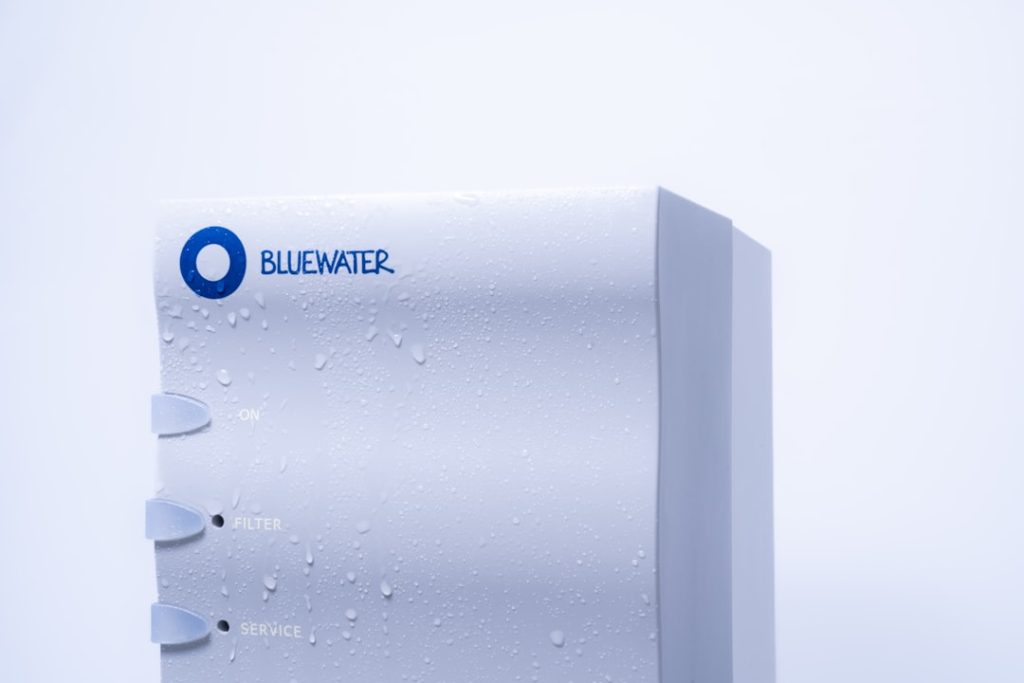
Photo by Bluewater Sweden on Unsplash