
Budget Bakery Items Put to the Professional Test: A Baker’s Verdict on Discount Store Pastries
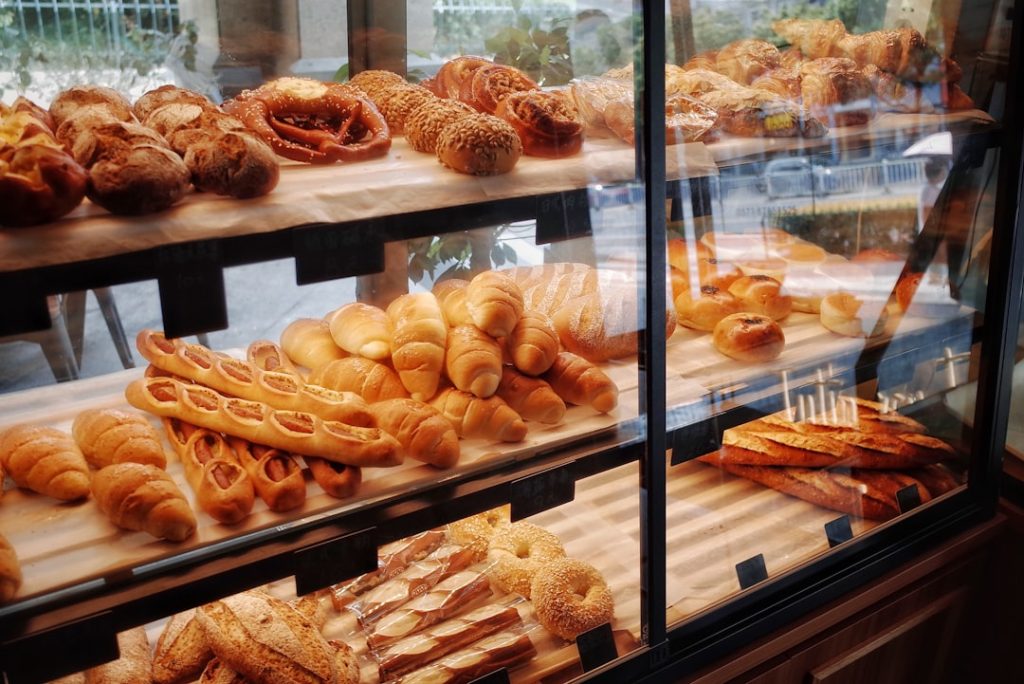
As someone who’s spent years perfecting the art of pastry making, I approached the discount grocery chain’s bakery section with equal parts curiosity and skepticism. The promise of professional-quality baked goods at rock-bottom prices seemed almost too good to be true, but I decided to put their offerings through the rigorous test that only a professional baker’s palate can provide.
The Economics of Cheap Pastries
Let’s address the elephant in the room first: can you really get quality baked goods for under fifty cents? My honest opinion is that while you shouldn’t expect artisanal perfection, these budget options serve a very specific purpose in today’s market. For busy families looking to stretch their grocery budget, or college students seeking a quick breakfast solution, these items represent genuine value.
However, if you’re someone who appreciates the nuanced flavors and textures that come from traditional baking methods, you’ll likely find yourself disappointed. The target audience here isn’t the discerning food enthusiast—it’s the practical consumer who prioritizes convenience and cost over culinary excellence.
Breaking Down the Croissant Experience
The flagship item that drew my attention was their ultra-affordable croissant, priced at just forty-nine cents. From a technical standpoint, I was impressed by the structural integrity and visual appeal. The lamination process, while clearly mechanized, produced recognizable layers that any baker would acknowledge as competent work.

What struck me most was the texture profile. These pastries achieve a reasonable approximation of the buttery, flaky experience you’d expect, though they lack the depth of flavor that comes from longer fermentation periods and higher-quality ingredients. For someone grabbing breakfast on their way to work, this represents excellent value. For a weekend brunch enthusiast, it might feel like settling.
Who Benefits Most
I believe these croissants are perfect for parents packing school lunches, office workers seeking an affordable morning treat, or anyone building a continental breakfast spread on a tight budget. They’re not for purists who can taste the difference between European-style butter and standard margarine, or those who view pastry consumption as a mindful, sensory experience.
Chocolate Chunk Cookies: Mass Production Meets Nostalgia
The cookie selection revealed something interesting about modern food manufacturing. While these treats clearly emerge from industrial ovens rather than home kitchens, they tap into that universal craving for comfort food in a way that’s surprisingly effective.
What matters here isn’t artisanal technique—it’s consistency and accessibility. Every cookie delivers the same sweetness level, the same texture, and the same portion size. For busy households, this predictability is actually a feature, not a bug. Children don’t care about hand-folded chocolate chips when they’re looking for an after-school snack.

From my professional perspective, I appreciate the engineering that goes into creating products that taste homemade while being produced at massive scale. It’s not romantic, but it’s impressive in its own right.
The Reality Check
Here’s what I think really matters: these products succeed because they know exactly what they are. They’re not trying to compete with boutique bakeries or artisanal patisseries. Instead, they’re filling a gap in the market for affordable, reliable baked goods that busy people can grab without thinking twice about the cost.
The demographic that benefits most includes young professionals starting their careers, large families managing tight grocery budgets, and anyone who views baked goods as fuel rather than fine dining. This approach won’t satisfy food bloggers or weekend baking enthusiasts, but that’s perfectly fine—they’re not the intended audience.
Final Professional Assessment
After evaluating multiple items from their bakery section, my conclusion is nuanced. These products represent remarkable achievement in food manufacturing and pricing, even if they don’t push any culinary boundaries. The value proposition is genuinely compelling for the right consumer.
What impresses me most is the consistency. Every item I sampled met reasonable expectations for taste, texture, and presentation. In professional kitchens, we often say that consistency trumps perfection, and these products embody that principle completely.
For anyone considering whether these budget bakery items deserve space in their shopping cart, ask yourself this: are you seeking an affordable solution to daily hunger, or are you looking for a transcendent culinary experience? Your answer will determine whether these products represent excellent value or a disappointing compromise.
Photo by Yeh Xintong on Unsplash
Photo by Mink Mingle on Unsplash
Photo by tabitha turner on Unsplash