
The Great Cocktail Simplification: Why Summer 2025 Marks the End of Overly Complex Drinks
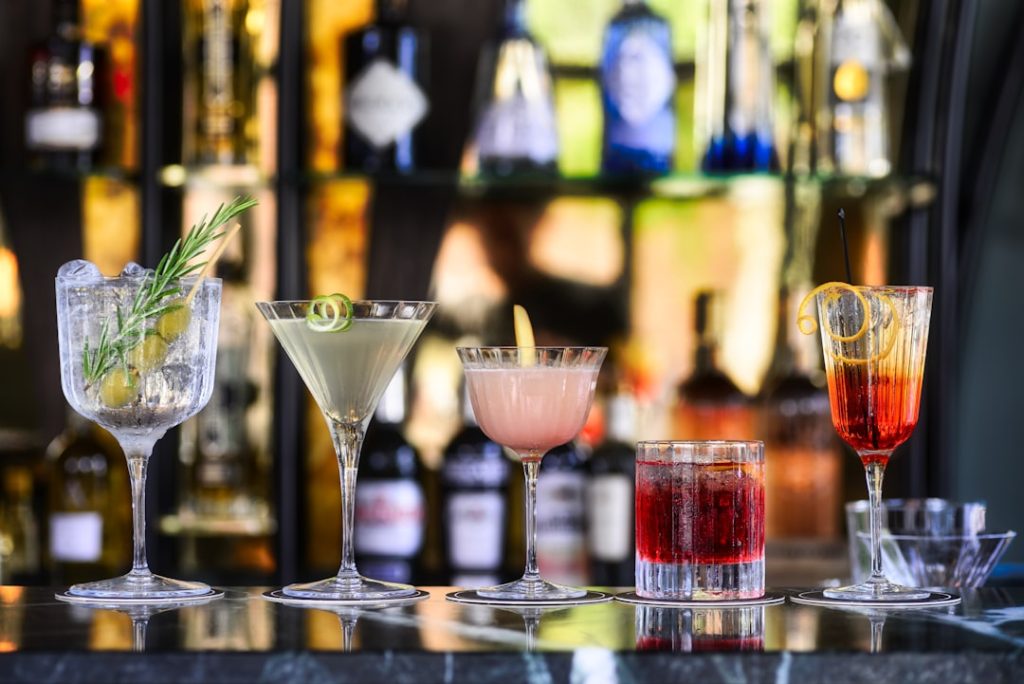
After witnessing the beverage industry’s obsession with molecular mixology and theatrical presentations over the past several years, I believe we’re finally seeing a much-needed correction. The cocktail world is experiencing a dramatic shift toward simplicity, and frankly, it’s about time. This trend represents more than just a seasonal preference—it’s a fundamental reckoning with what actually makes a good drink.
The era of over-engineered cocktails has run its course, and the evidence is everywhere. Industry professionals are reporting a clear pivot away from elaborate techniques like clarification processes and fat-washing methods that dominated menus throughout the early 2020s. What we’re seeing instead is a return to foundational recipes and straightforward preparation methods that prioritize flavor over spectacle.
The Economics of Simplicity
This shift makes perfect sense from both economic and practical perspectives. Recent consumer research indicates that more than one-third of Americans are reducing their dining frequency compared to previous years, largely due to escalating costs. When a single cocktail can cost upwards of $18 due to complex preparation requirements, establishments are pricing themselves out of regular patronage.
I think this trend particularly benefits casual drinkers and budget-conscious consumers who have been alienated by the pretentious atmosphere that often accompanies overly technical bartending. However, cocktail enthusiasts who enjoy the theater and craftsmanship of elaborate drinks might find this shift disappointing. The reality is that most customers simply want a well-balanced, refreshing beverage without paying premium prices for unnecessary complexity.

Industry veterans are acknowledging that technique-heavy approaches often sacrifice taste for visual impact. When bartenders spend weeks perfecting fermentation processes only to deliver unbalanced final products, the entire exercise becomes counterproductive. This resonates with my belief that hospitality should prioritize guest satisfaction over Instagram-worthy presentations.
Health Consciousness Reshapes Drinking Culture
The wellness movement has significantly influenced beverage preferences, and this development benefits health-conscious consumers while potentially challenging traditional bar revenue models. The growing popularity of GLP-1 medications, combined with increased scrutiny of artificial ingredients, has created demand for cleaner, more transparent cocktail preparations.
Low-alcohol and alcohol-free options are experiencing unprecedented growth, which I see as particularly advantageous for designated drivers, pregnant women, and anyone managing their alcohol consumption. Traditional heavy drinkers might initially resist these options, but the quality improvements in this category have been remarkable.
Highball cocktails—simple combinations of spirits with soda water—are emerging as the summer’s defining drink format. These preparations allow bartenders to showcase quality ingredients without overwhelming complexity. Popular flavor additions include tropical elements like pineapple and more exotic options such as pandan and tamarind, which offer sophistication without pretension.

The Classic Cocktail Renaissance
Perhaps the most significant development is the renewed appreciation for traditional recipes. Mojitos, daiquiris, and whiskey sours are experiencing remarkable popularity increases, though modern interpretations often feature improved balance and more refined ingredient sourcing.
This trend particularly benefits newcomers to cocktail culture who may have been intimidated by esoteric menu descriptions and unfamiliar techniques. Classic cocktails provide accessible entry points while still delivering sophisticated flavors. Experienced drinkers benefit from bartenders’ improved execution of familiar recipes using higher-quality ingredients and better technique.
However, establishments that have built their reputations on cutting-edge mixology may struggle to adapt. Bars that invested heavily in specialized equipment and trained staff in complex techniques face the challenge of pivoting their entire operational approach.
What I find most encouraging about this shift is its focus on genuine hospitality rather than performative bartending. When cocktails emphasize recognizable flavors executed with skill and intention, everyone wins. Guests receive better value, bartenders can focus on fundamental skills, and establishments can operate more efficiently while maintaining quality standards.
This movement represents a maturation of cocktail culture, moving beyond novelty toward sustainable practices that prioritize customer satisfaction over social media buzz. For the industry’s long-term health, this correction was not just inevitable—it was necessary.
Photo by M.S. Meeuwesen on Unsplash
Photo by Stanislav Ivanitskiy on Unsplash
Photo by Bjarne Vijfvinkel on Unsplash