
The Ultimate Guide to Scoring Last-Minute Wimbledon Tickets Through Overnight Camping
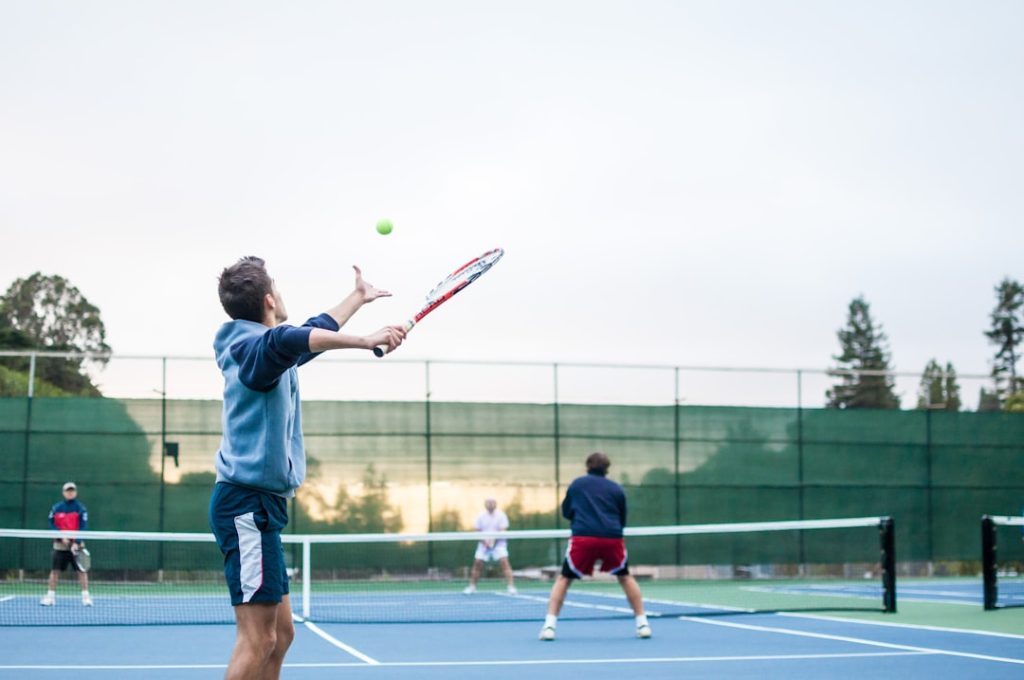
Tennis enthusiasts who dream of witnessing the prestigious Wimbledon Championships often face a harsh reality: advance tickets are nearly impossible to obtain through conventional means. The annual lottery system leaves most hopefuls empty-handed, while secondary market prices reach astronomical heights that would make your wallet weep. However, there’s a time-honored tradition that savvy fans have discovered—a challenging but rewarding path known as “the Queue.”
I believe this overnight camping system represents one of the last authentic ways to experience elite sports without breaking the bank, though it’s certainly not for everyone. The Queue demands physical endurance, mental fortitude, and a willingness to sacrifice comfort for the chance at premium seats at face value prices.
What Makes the Queue Worth Considering
The mathematics are compelling: roughly 1,500 reserved seats plus thousands of grounds passes become available each morning at standard pricing. These tickets cost a fraction of what you’d pay through official resellers, making it one of the best deals in professional sports. For dedicated tennis fans on a budget, this system offers an otherwise impossible opportunity to sit courtside at one of the world’s most exclusive sporting events.
However, let me be clear about who this experience suits and who should avoid it entirely. The Queue works best for younger travelers, camping enthusiasts, and those who view the overnight experience as part of the adventure rather than an obstacle. If you’re seeking luxury, comfort, or guaranteed outcomes, this approach isn’t for you. The elderly, families with small children, or anyone with mobility issues should seriously reconsider this option.
The Reality of Overnight Camping
The experience begins around 8 PM the evening before, when determined fans arrive at Southfields Station and make their way to Wimbledon Park’s designated camping area. What follows is a surreal community experience where strangers become temporary neighbors, sharing resources and survival tips in pursuit of a common goal.

The camping conditions are exactly what you’d expect from sleeping on grass with minimal preparation. Hard ground, intermittent sleep, and unpredictable weather create challenges that separate casual fans from truly committed ones. I think this filtering process is actually beneficial—it ensures that those who secure tickets genuinely appreciate the opportunity they’ve earned through sacrifice.
Smart campers come prepared with proper equipment: quality tents, sleeping bags, portable chargers, and adequate food and water. The unprepared often find themselves borrowing abandoned tents or purchasing overpriced items from vendors who understand the desperation of under-equipped queuers.
Strategic Considerations and Insider Knowledge
Understanding the Queue’s numbering system proves crucial for success. Many newcomers make mathematical errors when calculating their likely seating assignments, not realizing that some early arrivals are actually camping for subsequent days rather than immediate entry. This phenomenon works in favor of same-day attendees, often moving them closer to premium court assignments.
The most experienced queuers—some returning annually for decades—possess invaluable knowledge about timing, positioning, and expectations. These veterans understand that patience and flexibility often yield better results than rigid planning. Their willingness to camp multiple nights for specific matches demonstrates a level of dedication that casual fans rarely comprehend.
Who Benefits Most from This System
The Queue particularly rewards several types of tennis enthusiasts. Young adults with flexible schedules and limited budgets find exceptional value in trading comfort for affordability. International visitors who view the camping experience as cultural immersion often describe it as a highlight of their trip. Serious tennis fans who prioritize match quality over amenities consistently rate their Queue-obtained seats as superior to expensive alternatives.

Conversely, business travelers, luxury-seeking tourists, and those with tight schedules should avoid this option entirely. The unpredictable timeline and physical demands make it incompatible with structured itineraries or comfort expectations.
The Morning Payoff
Dawn brings organized chaos as stewards coordinate the massive logistical challenge of processing thousands of campers into ticket holders. The efficiency of this system impresses even skeptics, transforming overnight camping into legitimate ticket purchases within hours.
The moment of truth arrives when actual seats are assigned. Premium locations like front-row center court positions—normally costing thousands through resellers—become available for standard pricing. This dramatic value proposition justifies the overnight hardship for most participants.
What strikes me most about successful queuers is their immediate desire to repeat the experience. Despite the physical challenges and uncertain outcomes, the combination of community spirit, authentic access, and incredible value creates lasting positive memories that overshadow temporary discomfort.
For tennis fans willing to embrace adventure over convenience, the Queue represents an increasingly rare opportunity to access elite sporting events through determination rather than wealth. While not suitable for everyone, it remains one of sports’ most democratic ticket distribution systems.
Photo by J. Schiemann on Unsplash
Photo by Matthias David on Unsplash
Photo by Christian Tenguan on Unsplash