
Expert Strategies for Maintaining Proper Hydration During Summer Travel
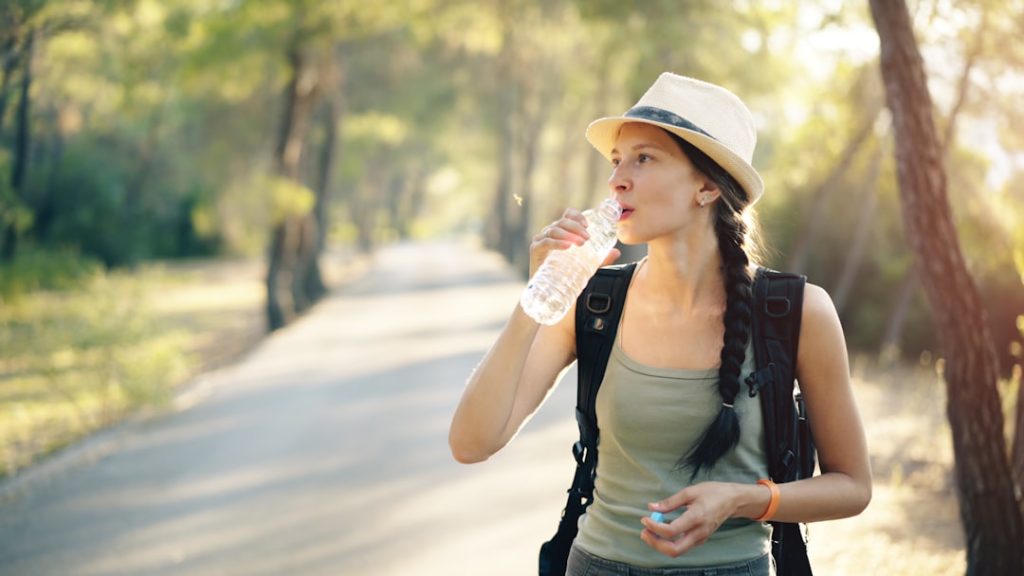
Summer vacations should be about creating memories, not dealing with dehydration headaches or heat exhaustion. Yet I’ve seen too many travelers underestimate the serious impact that hot weather can have on their bodies, especially when they’re exploring new destinations under the blazing sun.
The reality is that maintaining proper fluid balance during summer travel isn’t just about drinking water when you feel thirsty. By the time thirst kicks in, you’re already behind the curve. This is particularly crucial for families with children, older adults, and anyone with underlying health conditions who face higher risks of heat-related complications.
Understanding Your Body’s Increased Fluid Needs
What many people don’t realize is that vacation activities dramatically increase your hydration requirements. Walking through theme parks, hiking scenic trails, or simply spending hours in direct sunlight can cause you to lose fluids at twice your normal rate. I believe this is where most vacation health issues stem from – people maintain their regular drinking habits while dramatically increasing their physical demands.
The human body loses water through multiple channels during hot weather: sweating, increased breathing rate, and even through skin evaporation you can’t see. For active travelers, this can mean losing up to two liters of fluid per hour in extreme heat.
Practical Hydration Strategies That Actually Work
Start your hydration efforts before you even leave home. I recommend beginning increased fluid intake 24 hours before travel, especially if you’re heading to a significantly hotter climate. This gives your body a head start that can make the difference between feeling energetic and feeling drained on day one.
During your trip, establish a drinking schedule rather than relying on thirst cues. Aim for approximately 8 ounces of fluid every 15-20 minutes during active periods. This might seem excessive, but it’s far more effective than trying to catch up after you’re already dehydrated.

Choose your beverages wisely. While water remains the gold standard, drinks containing electrolytes become essential during extended periods of heat exposure. However, I’d caution against relying heavily on sports drinks, which often contain excessive sugar that can actually hinder absorption.
Smart Beverage Choices for Travelers
Coconut water offers natural electrolytes without artificial additives, making it an excellent choice for families. For adults, adding a pinch of sea salt and lemon to water creates an effective homemade electrolyte solution.
Avoid alcohol and caffeine during the hottest parts of the day. These substances act as diuretics, working against your hydration efforts when you can least afford it. Save that vacation cocktail for evening hours when temperatures drop.
Recognizing and Responding to Dehydration Warning Signs
The early symptoms of dehydration are often mistaken for normal vacation fatigue. Headaches, dizziness, and decreased energy levels aren’t just part of busy travel days – they’re your body’s warning system.
More serious indicators include dark yellow urine, dry mouth, and reduced urination frequency. If you or a travel companion experiences confusion, rapid heartbeat, or stops sweating despite heat exposure, seek immediate medical attention.
I think too many people push through these warning signs, assuming they’ll feel better later. This approach can transform a minor issue into a vacation-ending emergency room visit.

Who Benefits Most from Aggressive Hydration Strategies
Certain travelers face elevated risks and should prioritize hydration planning. Parents traveling with young children need to be especially vigilant, as kids often become absorbed in activities and forget to drink. Their smaller body size also means they dehydrate more quickly.
Older adults should consider this information essential, not optional. Age-related changes in kidney function and decreased thirst sensation create a perfect storm for dehydration during travel.
Athletes and fitness enthusiasts might think their regular training prepares them for vacation activities, but different climates and altitudes can catch even conditioned individuals off guard.
When Standard Advice Isn’t Enough
For travelers with diabetes, heart conditions, or kidney problems, standard hydration advice may be insufficient or even inappropriate. These individuals should consult healthcare providers before traveling to hot climates and may need modified fluid intake strategies.
Pregnant women also fall into a special category requiring increased attention to hydration, as their fluid needs are already elevated before adding heat stress to the equation.
Ultimately, proper hydration during summer vacations requires intentional planning and consistent execution. The travelers who fare best are those who treat hydration as seriously as they treat their itinerary planning. Your vacation memories should be about the places you visited and experiences you shared, not about feeling miserable due to preventable dehydration.
Photo by Vitaly Gariev on Unsplash
Photo by Mineragua Sparkling Water on Unsplash
Photo by Laura Chouette on Unsplash