
Legal Risks of Physical Intervention During Aircraft Emergency Evacuations
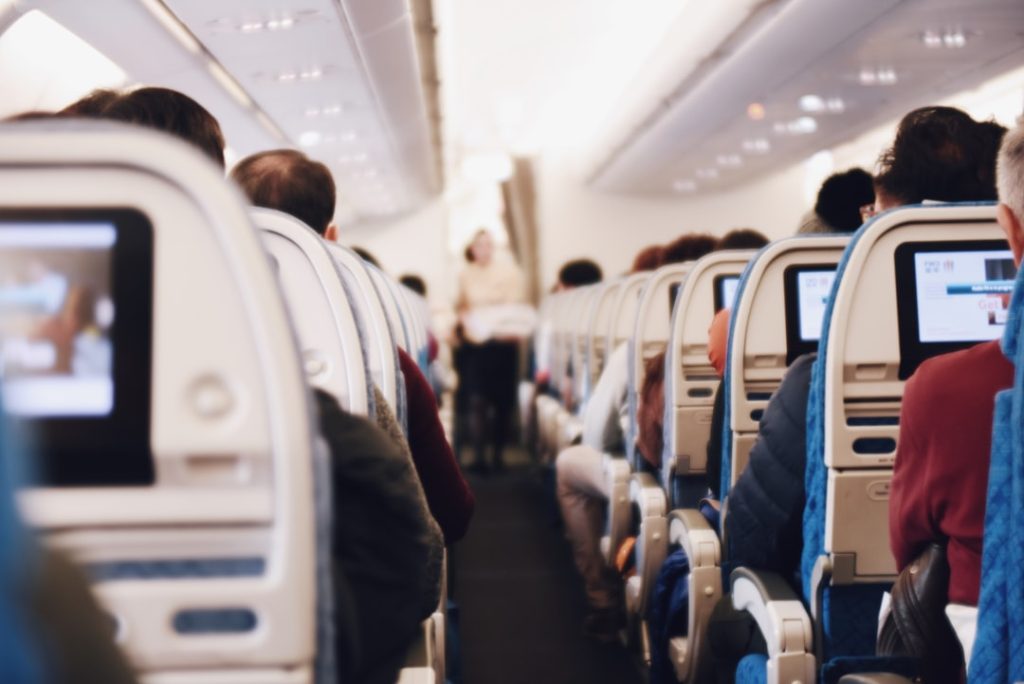
Recent aircraft incidents have sparked intense debate about passenger behavior during emergency evacuations, particularly the persistent problem of travelers retrieving carry-on luggage despite crew instructions to leave everything behind. This recurring issue raises a fascinating legal question that many frequent flyers have pondered: what happens if you physically intervene to speed up an evacuation?
In my view, this is one of those situations where common sense and legal liability don’t always align perfectly. The reality is that when passengers stop to grab their belongings during an evacuation, they’re potentially putting everyone at risk. Yet the legal implications of taking matters into your own hands are more complex than most travelers realize.
The Psychology Behind Dangerous Decisions
What strikes me as particularly troubling is how consistently passengers ignore evacuation protocols. Even after multiple high-profile incidents where bag retrieval clearly slowed evacuations, people continue making the same dangerous choices. Airlines have started consulting behavioral psychologists to understand this phenomenon, and some carriers now include specific warnings about leaving bags behind in their safety briefings.
This behavioral pattern suggests to me that traditional approaches aren’t working. For business travelers who fly frequently, this creates a genuine dilemma: do you stand by and watch potentially life-threatening delays, or do you take action?
Legal Realities of Emergency Intervention
According to aviation litigation experts, the legal landscape around evacuation behavior is surprisingly nuanced. Courts generally evaluate actions taken during aircraft evacuations through the lens of emergency circumstances rather than normal social interactions. This makes sense from a practical standpoint, though it creates uncertainty for passengers trying to make split-second decisions.

What I find most interesting is that there appear to be no documented court cases where passengers have been held liable for intervening during evacuations—whether that means pushing past someone, moving their luggage, or even causing minor injuries in the process. The legal system seems to recognize that emergency situations create extraordinary circumstances that warrant different standards.
However, this doesn’t mean intervention is risk-free. The key legal test would likely center on whether your actions were reasonable given the emergency conditions. Shoving someone aside to reach an exit might be justified, but deliberately injuring another passenger probably wouldn’t be.
Who This Affects Most
This issue is particularly relevant for frequent business travelers who understand evacuation procedures and recognize the dangers of delays. These passengers are most likely to feel frustrated by others’ non-compliance and most tempted to intervene. For occasional leisure travelers, the dynamics might be different—they may be less aware of proper procedures themselves.
Interestingly, the passengers who cause delays by retrieving luggage face virtually no legal consequences for ignoring crew instructions, even though their actions could endanger others. This seems backwards to me, but it reflects the practical challenges of enforcing compliance during chaotic emergency situations.
Regulatory Gaps and Testing Flaws
The current regulatory framework reveals some troubling inconsistencies that I believe need addressing. Federal standards require airlines to demonstrate they can evacuate aircraft in 90 seconds, but these tests use only able-bodied adults who know an evacuation is coming and have no personal belongings. This creates an unrealistic baseline that doesn’t reflect real-world conditions.

Recent legislative efforts have attempted to address these shortcomings, but progress remains slow. The disconnect between testing conditions and actual emergencies helps explain why real evacuations often take much longer than the 90-second standard.
Practical Implications for Travelers
For passengers wondering about their options during an evacuation, the legal reality appears to offer some protection for reasonable intervention. However, I would caution against assuming this gives you carte blanche to act aggressively. The safest approach is probably to use verbal commands first—loudly telling people to leave their bags and move quickly.
Physical intervention should be reserved for situations where it’s clearly necessary to prevent greater harm. Even then, the minimum force necessary to achieve the goal is likely your best legal protection.
What concerns me most is that we’re even having this conversation. The fact that passenger non-compliance has become so common that others feel compelled to intervene suggests a systemic failure in safety culture and training. Airlines and regulators need to find more effective ways to ensure compliance with evacuation procedures before these situations arise.
Ultimately, while the legal risks of intervention during evacuations appear manageable, the better solution is preventing the need for such intervention in the first place through improved training, clearer consequences for non-compliance, and more realistic safety standards.
Photo by Suhyeon Choi on Unsplash
Photo by Aleksei Zaitcev on Unsplash
Photo by Gerrie van der Walt on Unsplash