
Classic American Diners: Where Nostalgia Meets Comfort Food Excellence
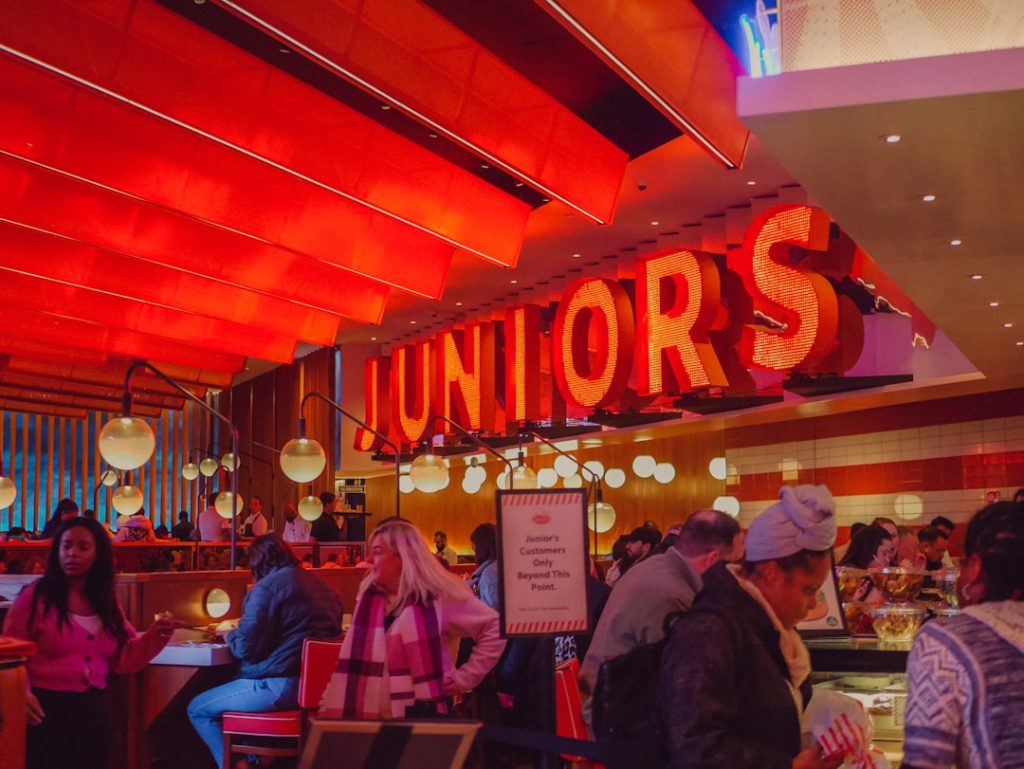
There’s something magical about stepping into an authentic American diner that hasn’t changed much since the 1950s. The checkered floors, red vinyl booths, and the unmistakable sizzle of a grill working overtime create an atmosphere that modern restaurants simply can’t replicate. I believe these establishments represent more than just places to eat—they’re cultural time capsules that offer a genuine connection to America’s culinary heritage.
What strikes me most about these vintage diners is their unwavering commitment to simplicity. In an era where restaurants compete with elaborate fusion menus and Instagram-worthy presentations, these old-school establishments focus on what truly matters: quality ingredients prepared with care. The milkshakes are thick enough to stand a spoon in, the burgers are hand-formed and cooked to order, and the pie cases display homemade desserts that would make your grandmother proud.
Who Benefits From This Nostalgic Dining Experience
These classic diners aren’t for everyone, and that’s perfectly fine. Food enthusiasts who appreciate authenticity over novelty will find themselves in paradise. Families looking for affordable, hearty meals without pretension will discover genuine value. History buffs and those seeking a break from corporate chain restaurants will appreciate the independent spirit these establishments embody.

However, diners expecting modern dietary accommodations or trendy health-conscious options might find themselves disappointed. The menus typically haven’t evolved much, focusing on traditional American comfort food rather than contemporary culinary trends.
The Economics of Nostalgia
What I find particularly compelling is how these diners have survived in an increasingly competitive restaurant landscape. Their success lies in understanding their niche and serving it exceptionally well. Rather than trying to appeal to everyone, they’ve maintained their identity and attracted customers who value that consistency.
The pricing at most classic diners remains refreshingly reasonable, offering substantial portions that provide genuine value for money. This approach benefits budget-conscious diners, families, and anyone tired of paying premium prices for small plates at trendy establishments.

The Social Aspect That Modern Restaurants Miss
Beyond the food, these diners serve as community gathering places where conversations flow as freely as the coffee refills. The counter seating encourages interaction between strangers, and the unhurried pace allows for genuine human connection—something increasingly rare in our fast-paced digital world.
I believe this social element is what truly sets classic diners apart. They’re not just restaurants; they’re neighborhood institutions where regulars know each other by name and newcomers are welcomed into the fold. This sense of community is invaluable for people seeking authentic social experiences.
For travelers, these establishments offer a glimpse into local culture that chain restaurants simply cannot provide. Each diner reflects its community’s character, making them essential stops for anyone wanting to understand the real America beyond tourist attractions and corporate establishments.
Photo by Michael Eufemia on Unsplash