
Independent Fragrance Brands Transform Retail Landscape as Consumers Seek Unique Scents
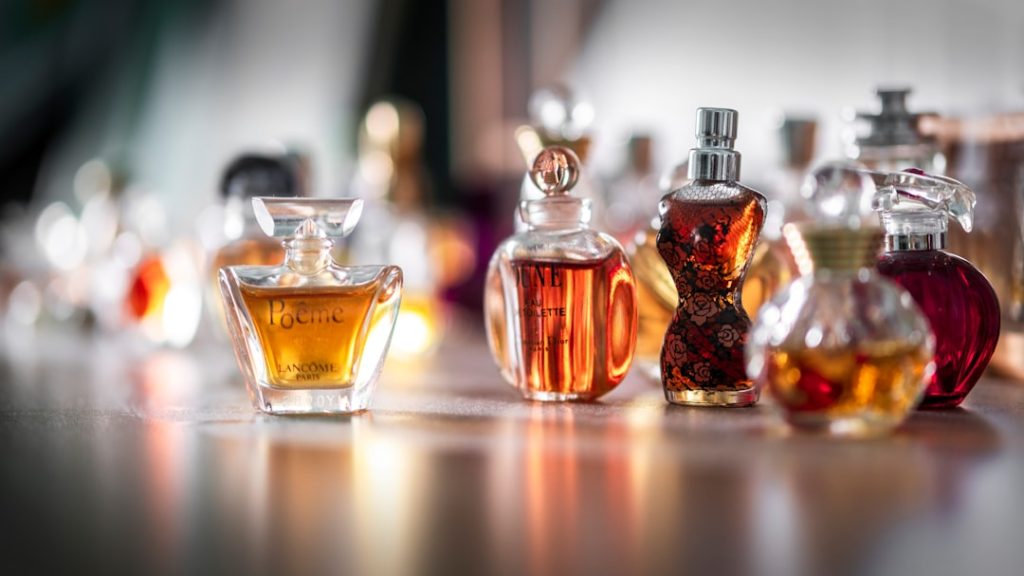
The fragrance retail sector is experiencing a dramatic transformation as consumers increasingly abandon mainstream designer perfumes in favor of independent, niche brands that offer more personal storytelling and unique olfactory experiences.
This shift represents what I believe is one of the most significant changes in beauty retail in decades. The pandemic fundamentally altered how people relate to fragrance, turning it from a simple beauty product into a powerful tool for self-expression and identity exploration. For fragrance enthusiasts and collectors, this trend is absolutely liberating – finally, retailers are catching up to what passionate scent lovers have known for years.
According to industry research, 58% of consumers now actively seek unique fragrances, driving the global niche perfume market toward explosive growth from $8.55 billion in 2025 to a projected $22.47 billion by 2035. These numbers tell a compelling story about changing consumer priorities.
The New Retail Battleground
Major retailers are scrambling to capture this growing market segment, each taking distinctly different approaches. What’s fascinating is how this competition is revealing the fundamental differences between traditional department store mentality and the more curatorial approach that independent fragrance stores have perfected.
Some retailers are prioritizing visual merchandising, placing indie perfumes at the forefront of their fragrance departments rather than relegating them to secondary positions behind established brands. This approach creates what industry insiders call a “playground of discovery” – an environment where exploration is encouraged rather than sales pressure being applied.

For serious fragrance collectors, this shift is long overdue. The old model of pushing mass-market designer scents simply doesn’t serve the needs of consumers who view fragrance as an art form rather than a commodity.
Independent Stores Lead the Way
Smaller, specialized fragrance retailers have been the true pioneers in this space, and frankly, they’re still doing it better than most major chains. These boutique stores built their entire business models around discovery and curation, focusing on brands with strong creative vision rather than marketing budgets.
The advantage of independent retailers is their ability to create intimate, pressure-free environments where customers can truly explore. There’s no rush to make a sale, no overwhelming sensory bombardment from competing fragrances, and most importantly, genuine expertise from staff who are passionate about the craft rather than just meeting sales quotas.
This approach particularly benefits fragrance newcomers who might feel intimidated by the complexity of niche perfumery, as well as seasoned collectors who appreciate knowledgeable guidance in discovering truly unique offerings.
Department Stores Play Catch-Up
Traditional department stores are finally recognizing what they lost when specialty fragrance destinations closed their doors. The void left behind created opportunities for independent retailers to flourish, and now major chains are trying to reclaim that market share.

However, I think many department stores are still missing the point. While some are investing in sampling programs and interactive technology – which are positive developments – others are simply cherry-picking the most commercially viable products from indie brands rather than embracing their full creative range.
The most successful retailers in this space are those investing in immersive experiences and educational programming. Fragrance masterclasses, perfumer-led workshops, and brand installations create the kind of engagement that niche fragrance consumers crave. These aren’t just shoppers looking for a quick purchase; they’re enthusiasts who want to understand the artistry and inspiration behind each creation.
Who Benefits Most
This retail evolution particularly serves several key groups. Fragrance collectors and enthusiasts finally have better access to unique brands through mainstream channels. Creative individuals seeking personal expression through scent have more options than ever before. Even casual consumers benefit from increased education and sampling opportunities that help them make more informed choices.
However, this trend isn’t for everyone. Shoppers who prefer familiar, widely-recognized scents or those who find the complexity of niche fragrance overwhelming might feel lost in this new landscape. The proliferation of options can be paralyzing for some consumers.
The Sampling Revolution
What I find most encouraging is the renewed focus on sampling and education. Some retailers now provide empty vials that staff can fill with any fragrance, while others use technology to help customers navigate scent families and notes. This addresses one of the biggest barriers to niche fragrance adoption – the inability to properly experience a scent before purchasing.
The brands succeeding in this environment understand that modern fragrance consumers want more than just a product; they want a story, an experience, and a connection to the creative process. Retailers that facilitate these deeper engagements are the ones truly winning this competition.
Looking ahead, I believe this trend will continue accelerating as younger consumers, particularly those influenced by social media fragrance communities, drive demand for unique and artisanal products. The retailers that embrace this shift wholeheartedly – rather than treating indie brands as just another product category – will ultimately capture the most valuable and engaged customers in the beauty market.
Photo by Ulysse Pointcheval on Unsplash
Photo by Lera Ginzburg on Unsplash
Photo by Beautinow Niche Perfume on Unsplash