
The Fine Line Between Healthy Nostalgia and Living in the Past
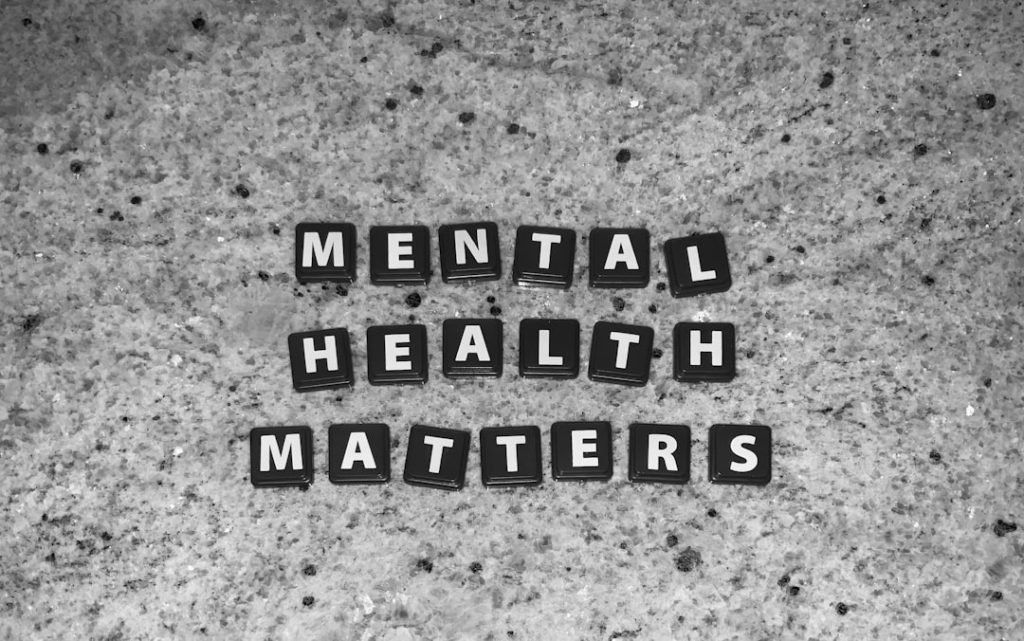
In our rapidly changing world, nostalgia has become both a comfort mechanism and a potential trap. While reminiscing about better times can provide emotional relief and strengthen our sense of identity, there’s a crucial distinction between healthy reflection and becoming stuck in yesterday’s memories.
I believe the key question isn’t whether nostalgia is good or bad, but rather understanding when our backward-looking tendencies serve us versus when they hold us back. For individuals dealing with current stress or uncertainty, moderate doses of nostalgia can offer genuine psychological benefits. It reminds us of our resilience and provides perspective on temporary difficulties.
When Nostalgia Becomes Problematic
The trouble begins when nostalgia transforms from occasional comfort into a primary coping strategy. This shift typically manifests in several concerning ways: constant comparison of present circumstances to an idealized past, resistance to necessary changes, and withdrawal from current relationships or opportunities.

In my view, people who are naturally forward-thinking or goal-oriented are less susceptible to excessive nostalgia. They tend to use past experiences as learning tools rather than escape routes. Conversely, individuals facing significant life transitions, career setbacks, or relationship challenges may find themselves particularly vulnerable to nostalgic thinking patterns.
The Social Media Factor
Digital platforms have amplified nostalgic tendencies in ways previous generations never experienced. The constant stream of “memories” and throwback content creates an artificial emphasis on revisiting the past. While this can strengthen social connections, it also risks creating unrealistic expectations about how life should feel or look.
I think this digital nostalgia particularly affects younger adults who are still forming their identities. They may develop skewed perceptions about what constitutes a meaningful life based on curated memories rather than authentic experiences.

Finding the Right Balance
Healthy nostalgia should enhance rather than replace present-moment awareness. It works best when it serves specific purposes: celebrating personal growth, maintaining family traditions, or drawing inspiration from past achievements. The moment nostalgia begins preventing forward movement or decision-making, it has crossed into problematic territory.
For those prone to excessive nostalgic thinking, I recommend setting specific boundaries around reminiscing activities. This might mean limiting time spent looking through old photos, choosing present-focused social activities, or working with a counselor to address underlying issues that make the past seem more appealing than the future.
Ultimately, nostalgia becomes “too much” when it stops being a occasional visitor and starts becoming a permanent resident in our mental landscape. The goal should be appreciating where we’ve been while remaining excited about where we’re going.
Photo by Marcel Strauß on Unsplash
Photo by Total Shape on Unsplash
Photo by Emily Underworld on Unsplash