
Contributing to Digital Mapping Platforms: How Users Can Improve Map Accuracy
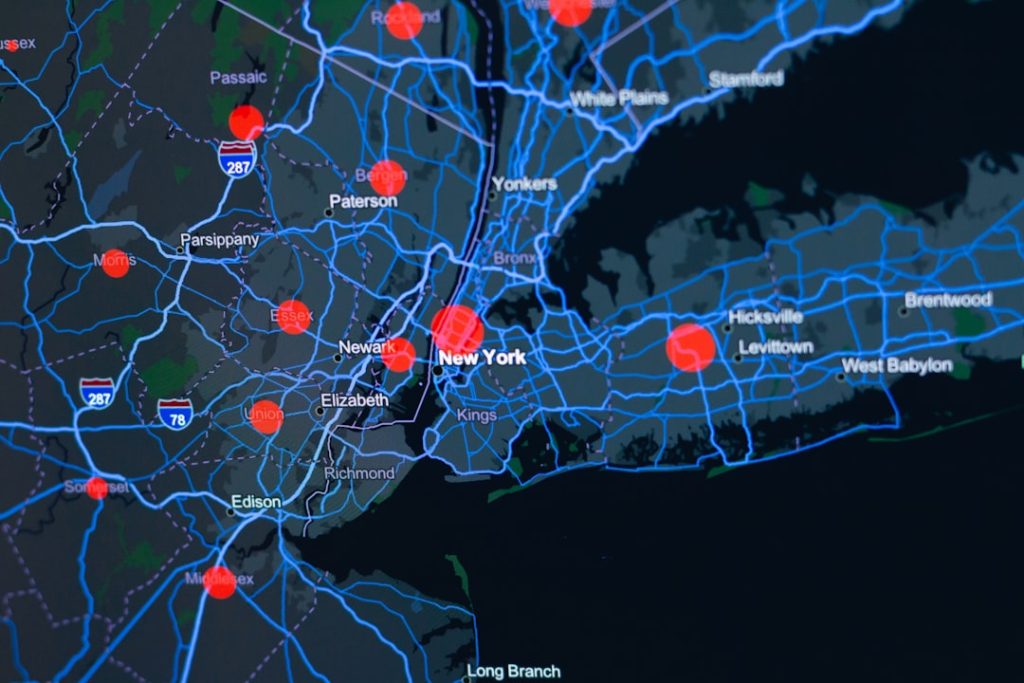
Most people use digital mapping applications purely as consumers, seeking directions or location information. However, I believe there’s tremendous untapped potential in user-generated contributions that could significantly enhance the accuracy and completeness of these platforms. What many users don’t realize is that they can actively participate in improving map data through various submission methods.
In my opinion, this crowdsourced approach to map improvement is brilliant – who better to identify local inaccuracies than the people who live and work in those areas? However, I think it’s important to understand that not all submissions will be approved, as mapping companies must maintain quality control through review processes.
Adding New Locations to Map Databases
I find the ability to add missing places particularly valuable for small business owners and community members. When you discover a location that doesn’t exist in the mapping database, you can contribute by placing a digital marker at the correct coordinates. The process typically involves holding down on the map interface to drop a pin, then accessing options to either add a general missing place or register a business location.
For business registrations, I think the verification process is crucial – it prevents false listings while allowing legitimate businesses to manage their information directly. This is especially beneficial for new establishments or local services that might not yet appear in commercial databases.
When adding non-business locations, you’ll need to provide essential details including a name and category classification. Common categories encompass dining establishments, retail locations, service providers, hospitality venues, and recreational areas. I believe the more comprehensive information you provide – contact details, operating hours, photographs – the higher the likelihood of approval, though the exact review criteria aren’t publicly disclosed.

Updating Existing Location Information
This feature is where I see the most practical value for everyday users. Local residents often notice discrepancies between listed information and reality – incorrect business hours, wrong contact numbers, or outdated facility details. The ability to suggest corrections helps maintain data accuracy across millions of locations.
The editing process typically involves selecting a location and accessing various information tabs where you can propose changes. For operating hours, you might find a ‘suggest new hours’ option, while location accuracy can be improved through ‘update location’ features. I think this is particularly useful for restaurants, shops, and public facilities where information changes frequently.
More detailed editing options often appear in dedicated sections where you can modify specific attributes like delivery availability, parking information, or accessibility features. This granular level of editing is invaluable for users with specific needs – parents looking for family-friendly venues or individuals requiring wheelchair accessibility.
Road Network Improvements and Route Corrections
I consider road network editing one of the most impactful contributions users can make. Missing roads, incorrect street names, or improper traffic flow designations can cause significant navigation problems. Most platforms offer dedicated tools for road-related submissions, allowing users to add missing streets, correct nomenclature, or specify traffic restrictions.
Route feedback represents another critical area, though it often requires using web-based interfaces rather than mobile applications. When navigation systems provide suboptimal or incorrect directions, users can typically access feedback mechanisms to report specific problematic steps and explain the issues.

However, I must be realistic about expectations here. From personal experience and user reports, route corrections can take considerable time to implement, if they’re implemented at all. I’ve observed cases where obviously incorrect routing persists for years despite multiple user reports. This suggests that route algorithms may prioritize other factors over user feedback, or that the review process for routing changes is particularly stringent.
Who Benefits Most from These Features
I believe these contribution tools are most valuable for several specific groups. Local business owners gain direct control over their online presence, ensuring accurate information reaches potential customers. Community leaders and local residents can help improve representation of their neighborhoods, particularly in areas that might be underserved by commercial data providers.
However, I don’t think these tools are equally useful for everyone. Casual users who rarely encounter mapping errors may find the submission process more trouble than it’s worth. Urban residents in well-documented areas might see fewer opportunities for meaningful contributions compared to those in rural or rapidly developing regions.
The feedback mechanisms work best for people who have consistent, long-term knowledge of specific locations. If you’re just visiting an area temporarily, you’re less likely to have the detailed local knowledge necessary for accurate contributions.
I think it’s also worth noting that while these systems democratize map improvement, they also require users to invest time without guaranteed results. The opaque review processes mean contributors can’t predict which suggestions will be accepted, potentially leading to frustration for dedicated users whose contributions are repeatedly rejected.
Overall, I view user-generated map improvements as a powerful tool that works best when users have realistic expectations about the process and understand that their contributions are part of a larger, complex system of data validation and quality control.
Photo by KOBU Agency on Unsplash
Photo by Sebastian Hietsch on Unsplash
Photo by José Martín Ramírez Carrasco on Unsplash