
Motorola’s 2026 Razr Lineup: Style Over Substance in the Foldable Revolution
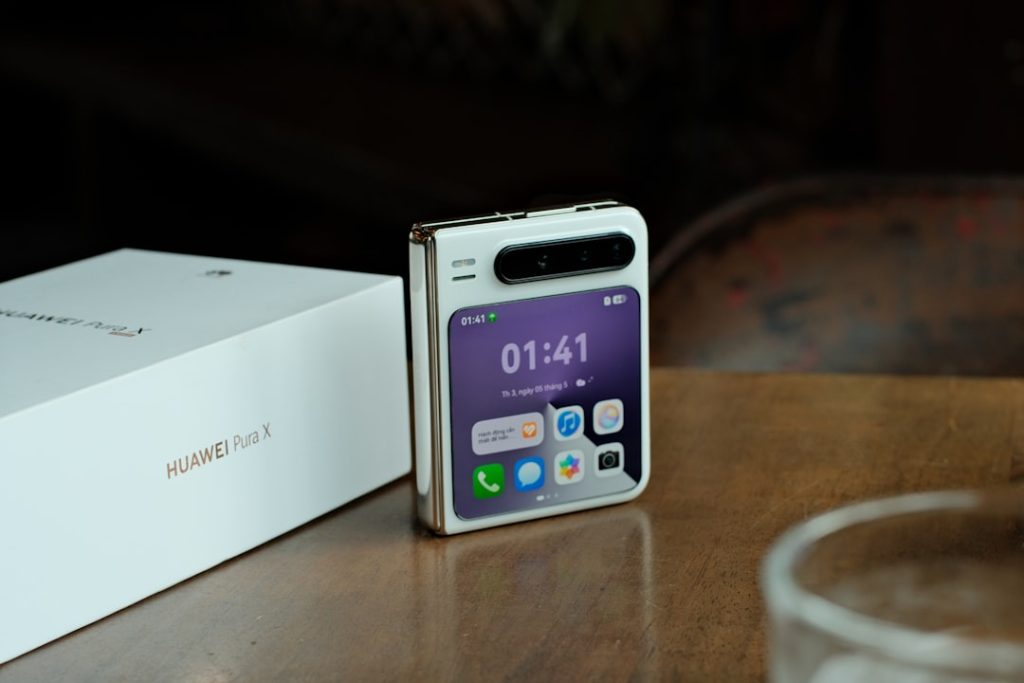
The foldable smartphone market continues to evolve, and Motorola’s latest Razr series represents both the promise and pitfalls of this emerging technology. While these devices undeniably turn heads with their striking aesthetics, they raise fundamental questions about what consumers should prioritize when investing in premium mobile technology.
The Appeal of Form Over Function
I’ll be blunt: these phones are primarily about making a statement. Motorola understands that the Razr brand has always been about visual impact, and they’ve doubled down on this philosophy. The 2026 lineup features an impressive array of materials including wood panels, vegan leather, and synthetic fabrics – elements you simply won’t find on conventional flagship devices.
This design-first approach matters for a specific type of consumer. If you’re someone who views their smartphone as an extension of their personal style, these devices offer something genuinely unique. However, if you’re the type who immediately encases their phone in a protective case and forgets what color it is, you’re not the target audience here.
The Practical Reality Check
Here’s where I think many potential buyers need to pause and consider their priorities. Foldable phones still represent a compromise between innovation and reliability. The hinge mechanism, while improved with titanium reinforcement, remains a potential failure point that traditional smartphones simply don’t have.
The IP48 rating concerns me as well. Fine particles can infiltrate the mechanism over time, potentially causing long-term functionality issues. For users who work in dusty environments or lead particularly active lifestyles, this could be a deal-breaker.

What’s particularly telling is that durability issues typically emerge months or years into ownership – well beyond the review period that most tech journalists experience. This creates a disconnect between initial impressions and long-term satisfaction.
Who Should Consider These Devices
The external display functionality presents an interesting value proposition. For users struggling with smartphone addiction or excessive screen time, the ability to handle basic tasks on the outer screen without fully opening the device could provide meaningful behavioral benefits. This isn’t just a gimmick – it’s a legitimate use case for digital wellness.
Photography enthusiasts might also find value here. Using the main camera system with the external display for selfies produces notably better results than typical front-facing cameras. If social media content creation is important to your workflow, this feature alone might justify the premium.
The Pricing Problem
This is where Motorola loses me entirely. The Razr+ at $1,100 and the Razr Ultra at $1,500 represent poor value propositions in today’s market. These prices put them in direct competition with flagship devices that offer superior performance, camera systems, and long-term reliability.
The base model at $800, however, tells a different story. This pricing acknowledges what these devices actually are: premium fashion accessories that happen to be functional smartphones. At this price point, the style-over-substance equation begins to make sense for the right buyer.

The Broader Market Context
I believe we’re still in the early adoption phase of foldable technology. These devices serve an important role in pushing the industry forward, but they’re not yet ready for mainstream adoption. The technology needs another generation or two before the compromises become acceptable for average consumers.
For early adopters and technology enthusiasts, the 2026 Razr lineup offers a glimpse into the future of mobile design. For everyone else, traditional flagship smartphones continue to offer better value, reliability, and long-term satisfaction.
The insurance factor cannot be ignored either. Given the higher failure risk, factoring in extended warranty costs makes these already expensive devices even more costly over their lifetime.
Final Assessment
Motorola deserves credit for maintaining their design leadership in the foldable space. These are genuinely beautiful devices that push creative boundaries. However, beauty alone cannot justify the premium pricing on the higher-end models.
If you’re drawn to the concept, the base Razr at $800 represents the most honest value proposition in the lineup. It acknowledges that you’re paying for style and novelty rather than cutting-edge performance or uncompromising reliability.
For most smartphone buyers, I’d recommend waiting. The foldable revolution is coming, but it’s not quite here yet. When it arrives, it will offer the style of these Razr devices with the reliability and performance we expect from modern smartphones.
Photo by Phước Sang on Unsplash
Photo by Gavin Phillips on Unsplash