
Music Streaming Platform Introduces Revolutionary Podcast Clipping Feature
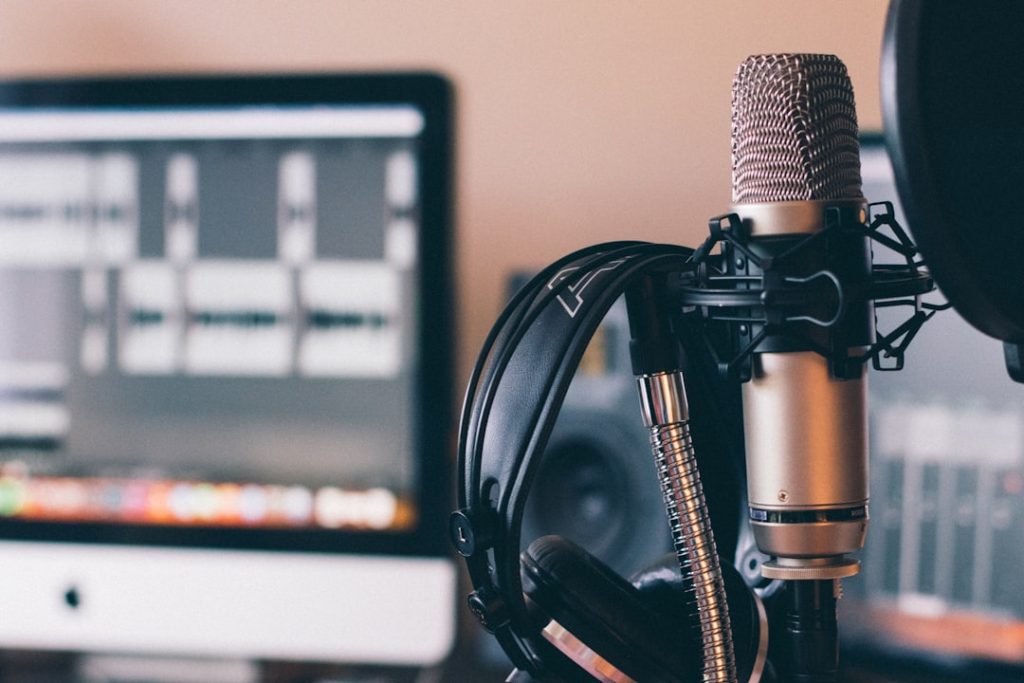
The podcast landscape just got significantly more interactive with the introduction of a groundbreaking feature that allows users to create, edit, and share custom clips from their favorite episodes. This development represents what I believe is a crucial step toward making podcasts more accessible and shareable in our increasingly fragmented attention economy.
The new functionality enables listeners to capture specific moments from podcast episodes, edit them within the app, and distribute these clips across various social media platforms. Users can save entire episodes, specific timestamps, chapters, or custom-edited segments directly to their personal libraries and playlists.
What strikes me as particularly significant about this rollout is its global reach across both free and premium users on mobile devices. However, the feature isn’t universally available across all podcast content yet, which I think is both a smart strategic move and a potential source of frustration for users.
The Technical Implementation
Creating clips involves tapping a scissor icon during playback, which launches a video editor interface. Users can then trim content to their desired length before saving or sharing. The sharing options include multiple formats: chapters, full episodes, timestamps, or custom clips.

This approach demonstrates sophisticated thinking about user experience, though I suspect the editing interface will make or break adoption rates. The success will largely depend on how intuitive and responsive these editing tools prove to be in practice.
Strategic Context and Market Implications
This feature builds upon the earlier success of the Chapters functionality, which reportedly saw usage triple within months of launch. That’s an impressive metric that suggests users are hungry for more granular control over their podcast consumption.
I believe this move is fundamentally about competing in the attention economy. Short-form content dominates social media algorithms, and podcasts have traditionally struggled to generate viral moments due to their long-form nature. This feature directly addresses that limitation.
The timing couldn’t be better for content creators who understand social media marketing. Professional podcasters and their teams can now create promotional clips without relying on third-party tools or external editing software. This streamlines their workflow significantly and could lead to increased podcast discovery.

The Clipping Controversy
However, this development also wades into controversial territory. The practice of clipping long-form content for social media has created an entire ecosystem of “clippers” who profit from editing others’ content without permission. While this new feature keeps control in the hands of the original platform and presumably the content creators, it raises questions about content ownership and monetization.
I think this controversy is overblown for most use cases. Individual listeners sharing clips with friends or on their personal social media accounts represents fair use in most contexts. The real concern should be about commercial exploitation, which this feature doesn’t directly enable.
Who Benefits Most
This feature is a game-changer for several specific groups. Podcast creators will love the built-in promotional tools, especially smaller creators who lack dedicated social media teams. Educational podcast listeners can finally save and share specific insights or explanations easily. Social media managers working with podcast content will find their jobs considerably easier.
However, I don’t see this appealing to passive podcast listeners who consume content during commutes or workouts. The editing functionality requires active engagement that doesn’t align with how many people actually use podcasts.
The feature also represents part of a broader strategy to expand beyond pure audio streaming. Recent partnerships with fitness brands and the introduction of narrated long-form articles suggest a platform evolution toward comprehensive content consumption rather than just music streaming.
Ultimately, I believe this feature signals a maturation of the podcast medium. By making podcast content more shareable and discoverable, platforms are acknowledging that audio content needs to play by social media rules to reach maximum audiences. Whether creators and listeners embrace this shift will determine the feature’s long-term impact on podcast culture.
Photo by Will Francis on Unsplash
Photo by Austin Distel on Unsplash